
.jpeg)
Blinatumomab maintenance therapy
Blinatumomab (Blinatumomab) maintenance therapy is a treatment strategy used to manage patients with acute lymphoblastic leukemia (ALL). This treatment is often used to maintain patients in complete remission, extend disease-free survival, and reduce the risk of leukemia recurrence. In this article, we will discuss in detail the principles, indications, treatment options, and monitoring of belintuzumab maintenance therapy.
Principles of maintenance therapy
The goal of maintenance therapy is to continue belintuzumab to prevent the recurrence of leukemia after patients with acute lymphoblastic leukemia achieve complete remission. ALLis a subtype of leukemia that usually attacks lymphocytes. Bellintuzumab is a bispecific antibody that can precisely connect T cells with leukemia cells, prompting T cells to attack leukemia cells.
During maintenance therapy, the goal of belintuzumab is to continue stimulating the patient's immune system so it remains responsive to leukemia cells and prevents the recurrence of leukemia. This treatment method has proven to be very effective for some ALL patients who have reached complete remission, helping to extend disease-free survival and improve the cure rate.
Applicability
Maintenance therapy is usually indicated when:
1.Complete response: Patients need to achieve complete remission before starting maintenance therapy. Complete remission means the leukemia cells have been reduced to undetectable levels, an important sign of treatment success.
2.High-risk patients: Maintenance therapy may be particularly suitable for high-risk ALL patients who have a higher risk of relapse. This may include some cytogenetic abnormalities or other adverse factors.
3.Failure of other treatment options: After treatment methods such as traditional chemotherapy or stem cell transplantation fail, maintenance therapy becomes a promising treatment option.
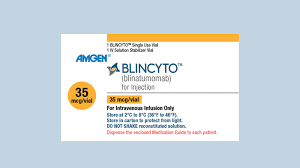
Maintenance treatment plan
The specific plan of maintenance treatment is usually formulated by the doctor based on the patient's individual situation and condition. However, the usual maintenance treatment regimen is as follows:
1.Dosage and Infusion: The dosage and infusion schedule for maintenance therapy is typically each 28 day cycle in which the patient receives an intravenous infusion of belintuzumab. A treatment cycle consists of two main parts, usually as follows:
Part 1 (usually 14 days): In this part, patients receive escalating doses of belintuzumab.
Second part (usually 14 days): During this part, the dose of belintuzumab is maintained at a higher level to continue stimulating the immune system.
2.Duration: Maintenance therapy usually needs to be continued over multiple 28 day cycles until the doctor deems it no longer necessary or the patient develops intolerable side effects.
3.Monitoring: During maintenance treatment, doctors will regularly monitor the patient's condition and the efficacy of the drug. This includes regular blood tests to evaluate the white blood cell count and lymphocyte count. The success of maintenance therapy is often associated with the patient's immune system continuing to remain highly active.
4.Cytolytic reaction (CRS) management: Maintenance therapy may trigger CRS, a common side effect that includes symptoms such as fever, chills, headache, and muscle or joint pain. Doctors will determine whether antipyretic drugs and other treatments are needed to relieve discomfort based on the severity of a patient's CRS symptoms.
Maintenance of treatment success
Maintenance therapy is critical to maintaining complete remission and reducing the risk of leukemia recurrence. It can improve the patient's disease-free survival, improve the cure rate, and provide treatment for ALL patients who have reached complete remission.An important treatment option is available to patients. However, patients need to closely follow their doctor's recommendations and treatment plan to ensure maintenance success.
The goal of maintenance therapy is to minimize discomfort and side effects while continuing to activate the patient's immune system. Doctors regularly monitor the patient's condition to ensure the appropriateness of the treatment plan and make adjustments if necessary. As treatment continues, patients' disease-free survival may be extended, an important win for patients withALL.
In conclusion, belintuzumab maintenance therapy is an effective treatment for maintaining complete remission in patients with acute lymphoblastic leukemia and reducing the risk of leukemia relapse. Patients should cooperate with their doctors and actively participate in treatment to ensure the best treatment results. As medicine continues to advance, maintenance therapy is expected to continue to improve survival rates and quality of life for patients with ALL.
[ 免责声明 ] 本页面内容来自公开渠道(如FDA官网、Drugs官网、原研药厂官网等),仅供持有医疗专业资质的人员用于医学药学研究参考,不构成任何治疗建议或药品推荐。所涉药品可能未在中国大陆获批上市,不适用于中国境内销售和使用。如需治疗,请咨询正规医疗机构。本站不提供药品销售或代购服务。


