
.jpeg)
The Difference Between Carfilzomib and Bortezomib
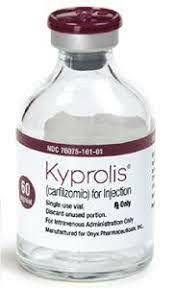
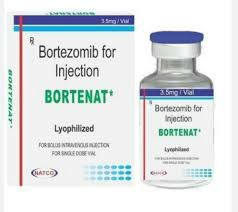
Carfilzomib (Carfilzomib) and bortezomib (Bortezomib) are both drugs used to treat multiple myeloma (Multiple Myeloma), but they have some significant differences in their mechanisms of action, usage, adverse reactions, and efficacy. Below we compare these two drugs in detail to better understand how they differ in the treatment of multiple myeloma.
1.Mechanism of action:
Carfilzomib: Carfilzomib belongs to the proteasome inhibitor class of drugs. It inhibits the normal degradation of proteins by interfering with the function of the proteasome. This leads to the accumulation of abnormal proteins inside the cancer cells, ultimately leading to the death of the cancer cells.
Carfilzomib acts more selectively, mainly targeting cancer cells and reducing damage to healthy cells.
Bortezomib: Bortezomib is also a proteasome inhibitor, but its mechanism of action is different from that of carfilzomib. It interferes with protein degradation in cancer cells by interacting with specific enzymes within the proteasome, leading to cancer cell death.
Bortezomib has a relatively broad range of effects and may have some adverse effects on healthy cells.
2.Usage:
Carfilzomib: Carfilzomib is usually given as an intravenous injection by a medical professional in a hospital or clinic.
The specific dosage and duration of a treatment cycle will vary based on the patient's condition and treatment plan.
Bortezomib: Bortezomib is also given as an intravenous injection, but patients can usually receive treatment in a hospital or clinic, or at home.
Treatment with bortezomib usually requires multiple cycles, spaced several days apart.
3.Adverse reactions:
Carfilzomib: Carfilzomib may cause some adverse effects, including low platelets, heart problems (such as irregular heartbeat), and abnormal kidney function. In addition, it may be accompanied by discomfort such as nausea, vomiting, diarrhea, fatigue and fever.
Bortezomib: Adverse reactions of bortezomib may include thrombocytopenia, neuropathy (such as paresthesia, neuralgia), nausea, vomiting, diarrhea, fatigue, and skin itching.
4.Efficacy and clinical application:
Carfilzomib: Carfilzomib is often used as a first-line treatment in the treatment of multiple myeloma or after patients have developed resistance to other treatments such as bortezomib.
Carfilzomib may demonstrate a higher treatment response rate than bortezomib in some patients.
Bortezomib: Bortezomib is a classic drug for the treatment of multiple myeloma and is widely used for first-line treatment and relapsed disease.
It has achieved remarkable results in the treatment of multiple myeloma, but it is also accompanied by some adverse effects.
To sum up, carfilzomib and bortezomib are two drugs used to treat multiple myeloma. They have different mechanisms of action, usage, adverse reactions and efficacy. The choice of treatment options usually depends on the patient's specific situation, treatment plan, and physician recommendations. Patients should receive treatment under the supervision of a medical professional and discuss with their doctor which medication is best for their situation. This comparison helps to better understand the characteristics of the two drugs, but any specific treatment decisions should be made on an individual basis.
Carfilzomib has been launched in China and is included in medical insurance. Patients can purchase it domestically at a price of around 8,000 to 9,000 yuan. Please consult the local hospital pharmacy for specific prices. In foreign countries, the original drug of carfilzomib is mainly available, and the cheaper version is the European version of the original drug, which costs around 5,000. And the medicinal ingredients and efficacy are the same as those of domestic original medicines.
xa0
[ 免责声明 ] 本页面内容来自公开渠道(如FDA官网、Drugs官网、原研药厂官网等),仅供持有医疗专业资质的人员用于医学药学研究参考,不构成任何治疗建议或药品推荐。所涉药品可能未在中国大陆获批上市,不适用于中国境内销售和使用。如需治疗,请咨询正规医疗机构。本站不提供药品销售或代购服务。


