
.jpeg)
Precautions when configuring Carfilzomib
Preparing carfilzomib (Carfilzomib) is an extremely important step as it involves ensuring the safety and effectiveness of the drug. Healthcare professionals and patients must adhere to specific precautions and procedures during the preparation and administration of carfilzomib therapy. The following is a detailed introduction to the precautions for dispensing carfilzomib to ensure the correct use of the drug and minimize potential risks.
1. Professional training: Preparation of carfilzomib requires professional training by a medical professional, such as a nurse or pharmacist. Before operating, they must receive specific training on the properties of carfilzomib, dilution methods, and drug administration guidelines.
2. Aseptic handling: All preparations of carfilzomib must be performed under sterile conditions to prevent any microbial contamination. Sterile gloves, masks and other necessary protective equipment should be worn during configuration to ensure a clean operating environment.
3. Use appropriate equipment: When dispensing carfilzomib, sterile equipment, such as sterile syringes and needles, specifically designed for diluting and injecting the drug must be used. These devices must be compatible with the properties of carfilzomib to ensure accuracy of dilution and delivery.
4. Double-check: Before dispensing and preparing carfilzomib, healthcare professionals should double-check to confirm the label, expiration date, and dosage of the drug being administered. This helps prevent incorrect medication use.
5. Drug dilution: Carfilzomib usually needs to be diluted in sterile solvents such as 5% glucose injection or physiological saline. Healthcare professionals must strictly follow the manufacturer's guidelines when diluting to ensure the correct concentration of the drug.
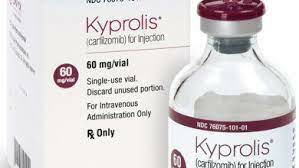
6. Slow injection: The injection of carfilzomib usually takes a long time and must be performed at a slow speed. This helps reduce possible adverse reactions, such as allergic reactions or drug reactions.
7. Follow the treatment plan: Medical staff must strictly follow the treatment plan formulated by the doctor, including the dosage of the drug, injection frequency and duration. Do not change your treatment plan unless specifically directed by your doctor.
8. Monitoring for Side Effects: Patients need to be closely monitored for any possible adverse reactions while receiving carfilzomib. Healthcare professionals must know how to recognize and manage possible side effects, such as shortness of breath, allergic reactions, heart problems, and more.
9. Medication Administration Records: All carfilzomib preparations and treatment procedures must be recorded in detail. These records include the drug's lot number, dose, dispensing date, treatment date and patient information. This helps track treatment progress and ensure continuity of treatment.
10. Disposal of pharmaceutical waste: Carfilzomib is a hazardous waste and needs to be disposed of correctly in accordance with medical waste disposal regulations. Healthcare facilities must develop and adhere to appropriate waste management policies to ensure safe disposal.
11. Comply with medical waste regulations: Carfilzomib is a hazardous waste and needs to be disposed of correctly in accordance with medical waste management regulations. Healthcare facilities must ensure strict compliance with waste disposal policies to prevent potential harm to the environment and public health.
12. Managing Adverse Reactions: Patients may experience adverse reactions during treatment with carfilzomib. Healthcare professionals must know how to handle and manage these reactions, including anaphylaxis, nausea, vomiting, shortness of breath, and more. Urgent treatment and support may sometimes be required.
The preparation of carfilzomib requires strict compliance with specific operating procedures to ensure the safety and effectiveness of the drug. Medical staff must receive professional training, the configuration process must be performed under sterile conditions, appropriate equipment must be used, the doctor's treatment plan must be strictly followed, and detailed records must be kept. Patients and healthcare professionals must closely monitor the patient's status and manage possible side effects. The process of formulating carfilzomib requires a high degree of expertise and caution to ensure the safety and effectiveness of the treatment. Patients and healthcare professionals should always follow the advice and treatment plan of their medical professional to minimize potential risks.
Carfilzomib has been launched in China and is included in medical insurance. Patients can purchase it domestically at a price of around 8,000 to 9,000 yuan. Please consult the local hospital pharmacy for specific prices. In foreign countries, the original drug of carfilzomib is mainly available, and the cheaper version is the European version of the original drug, which costs around 5,000. And the medicinal ingredients and efficacy are the same as those of domestic original medicines.
[ 免责声明 ] 本页面内容来自公开渠道(如FDA官网、Drugs官网、原研药厂官网等),仅供持有医疗专业资质的人员用于医学药学研究参考,不构成任何治疗建议或药品推荐。所涉药品可能未在中国大陆获批上市,不适用于中国境内销售和使用。如需治疗,请咨询正规医疗机构。本站不提供药品销售或代购服务。


