
.jpeg)
Clinical trial efficacy of Glofitamab
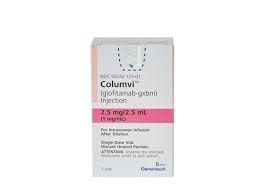
Glofitumab (Glofitamab) is a bispecific antibody currently being evaluated in clinical trials for B cell-associated lymphoma and leukemia. The following is a comprehensive analysis of clinical trial data for gaffetuzumab to understand its potential efficacy.
I. Phases of clinical trials:
Clinical trials of gaffetuzumab are usually divided into several different phases, including early-stage clinical trials (PhaseI), mid-term clinical trials (PhaseII), and large-scale clinical trials (PhaseIII). The purpose of these trials is to evaluate the safety, tolerability, and efficacy of the drug.
II. Clinical trial efficacy data:
Here are efficacy data from some early and mid-stage clinical trials:
1.Treatment response rate: Earlier clinical trials generally reported overall treatment response rates with gaffetuzumab in B cell-associated lymphoma and leukemia. This includes partial remission, complete remission, and other treatment responses. In some trials, gaffetuzumab has shown high treatment response rates and may be an important treatment option for some patients.
2.Sustained remission: Interim trials typically focus on how long a treatment lasts in remission. Data from gaffetuzumab show that some patients remain in remission after discontinuing treatment, suggesting a sustainable treatment effect.
3.Survival data: Some trials also report patient survival data, including progression-free survival (PFS) and overall survival (OS). These data will be important in assessing the long-term effects of gaffetuzumab.
4.Side effects: Clinical trials also record adverse events and side effects that patients experience during treatment. These data help assess the safety and tolerability of the treatment.
III. Interpretation of clinical trial results:
Understanding clinical trial data requires consideration of many factors, including study design, patient selection, treatment regimen, and other factors. Here are some important considerations for interpreting these data:
1.Trial design: The design of a clinical trial is critical to the results. Randomized controlled trials generally provide the most reliable data because they rule out confounding by other factors.
2.Patient selection: Different types of patients may have different treatment responses to gaffetuzumab. Therefore, researchers often define specific inclusion criteria to select the patient population to participate in a trial.
3.Treatment regimen: The choice and dosage of treatment regimen can also affect efficacy data. Different treatment options may lead to different results.
4.Safety: The severity of side effects and adverse events has an important impact on whether patients can continue treatment. There is a trade-off between efficacy and safety.
IV. Future Outlook:
Clinical trial data of gerfituzumab are still being accumulated and analyzed. Over time, we can expect more data and larger trials to further determine the efficacy and safety of this new drug. Gerfituzumab represents an innovation in the field of immunotherapy and has the potential to provide new treatment options for certain patients with leukemia and lymphoma.
Together, the clinical trial data of gaffetuzumab show the potential of this new anti-cancer drug in the treatment ofBcell-associated lymphoma and leukemia. However, these data require continued validation in broader research and clinical practice. Patients and physicians should carefully evaluate these data and decide whether to use gaffetuzumab as part of their treatment based on the patient's specific situation and needs. As scientific research continues to progress, we can expect to see more information about this drug and better understand its potential efficacy.
xa0
[ 免责声明 ] 本页面内容来自公开渠道(如FDA官网、Drugs官网、原研药厂官网等),仅供持有医疗专业资质的人员用于医学药学研究参考,不构成任何治疗建议或药品推荐。所涉药品可能未在中国大陆获批上市,不适用于中国境内销售和使用。如需治疗,请咨询正规医疗机构。本站不提供药品销售或代购服务。


