
.jpeg)
What are the precautions for Tivozanib?
In clinical studies of Tivozanib, warnings and precautions such as hypertension and hypertensive crisis, heart failure, cardiac ischemia and arterial thromboembolic events, venous thromboembolic events, bleeding events, proteinuria, thyroid dysfunction, risk of impaired wound healing, reversible posterior leukoencephalopathy syndrome, embryo-fetotoxicity, and allergic reactions have emerged.
1. Hypertension and hypertensive crisis: 45% of patients treated with tivozanib developed hypertension, of which 22% had grade ≥3 events. The median time to onset of hypertension is 2 weeks, and blood pressure should be controlled before treatment. Monitor blood pressure after 2 weeks and then at least monthly during tivozanib treatment. When hypertension develops during treatment, patients are treated with antihypertensive therapy. However, tivozanib should be discontinued in patients with severe hypertension despite optimal antihypertensive therapy. For hypertension that persists despite use of antihypertensive agents, reduce the dose. Tivozanib should be discontinued if hypertension remains severe and persistent despite antihypertensive therapy and dose reductions, or if the patient develops a hypertensive crisis.
2. Heart failure: In clinical studies, the incidence of heart failure in patients treated with tivozanib was 1.6%, 1% of events were grade ≥3, and 0.6% of events were fatal. Monitor patients periodically for symptoms of heart failure during treatment with tivozanib.
3. Cardiac ischemia and arterial thromboembolic events: Tivozanib can cause serious and sometimes fatal events. In clinical studies, the incidence of cardiac ischemia in patients treated with tivozanib was 3.2%, of which 1.5% had grade ≥3 events and 0.4% of events were fatal.
4. Venous thromboembolic events: In clinical studies, 2.4% of patients treated with tivozanib experienced venous thromboembolic events, including death (0.3%). Monitor patients at risk or with a history of these events closely during treatment with tivozanib. Tivozanib should be discontinued in patients who experience any serious or life-threatening venous thromboembolic event.
5. Bleeding events: Bleeding events may be serious and sometimes fatal, and the dose should be reduced or tivozanib treatment should be interrupted.
6. Proteinuria: For patients who develop moderate to severe proteinuria, including2 grams or more of proteinuria within 24 hours, the dose should be reduced or tivozanib treatment should be interrupted.
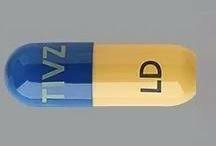
7. Thyroid dysfunction: Monitor thyroid function regularly before starting tivozanib treatment and during treatment, and treat hypothyroidism and hyperthyroidism to maintain normal thyroid function before and during tivozanib treatment.
8.Risk of impaired wound healing: receiving drugs that inhibit the vascular endothelial growth factor (VEGF) signaling pathway (such asPatients with tivozanib) may experience impaired wound healing. Patients are advised to discontinue tivozanib for at least 24 days before elective surgery. Do not give this medication for at least 2 weeks after major surgery and until the wound has completely healed.
9. Reversible posterior leukoencephalopathy syndrome (RPLS): It is a subcortical vasogenic edema syndrome diagnosed by MRI, which can occur with tivozanib. Perform an RPLS evaluation on any patient who experiences seizures, headaches, visual disturbances, confusion, or changes in mental function.
10. Embryo-Fetotoxicity:Based on the results of animal studies and its mechanism of action, tivozanib can cause fetal damage when administered to pregnant women. In embryo-fetal development studies, oral administration of tivozanib to pregnant animals during the period of organogenesis at doses below the maximum recommended clinical dose (mg/m2) resulted in maternal toxicity, fetal malformations, and embryo-fetal death. Advise females of reproductive potential to use effective contraception during treatment and for one month after the last dose. Advise men who are partners of a female of reproductive potential to use an effective method of contraception during treatment and for one month after the last dose.
11. Allergic reaction: Tivozanib 0.89 mg capsule contains FD&C Yellow No. 5 (tartrazine) as imprinting ink, which may cause allergic reactions (including bronchial asthma) in some susceptible patients. Although the overall incidence of FD&C Yellow No. 5 (tartarizine) sensitivity is low in the general population, it occurs frequently in patients who also suffer from aspirin hypersensitivity.
The original drug Tivozanib has not yet been marketed in the country, so it has not been included in medical insurance. The European version of tivozanib Original drug, specifications1340mcg*21 pills sold overseas may cost around 30,000 yuan per box (the price may fluctuate due to exchange rates), which is relatively expensive. There is currently no generic version of tivozanib available on the market. For more drug information and specific prices, please consult a medical consultant.
[ 免责声明 ] 本页面内容来自公开渠道(如FDA官网、Drugs官网、原研药厂官网等),仅供持有医疗专业资质的人员用于医学药学研究参考,不构成任何治疗建议或药品推荐。所涉药品可能未在中国大陆获批上市,不适用于中国境内销售和使用。如需治疗,请咨询正规医疗机构。本站不提供药品销售或代购服务。


