
.jpeg)
The Difference Between Cabergoline and Bromocriptine
Cabergoline (Cabergoline) and bromocriptine (Bromocriptine) are both dopamine receptor agonists, commonly used to treat diseases with abnormally high dopamine levels, such as pituitary tumors and hyperprolactinemia. Although they belong to similar drug classes, they differ in several aspects, including pharmacology, usage, side effects, and clinical application. Here are their main differences:
1. Pharmacology and mechanism of action:
Cabergoline: Cabergoline is a new generation of dopamine receptor agonist, which mainly acts on dopamineD2 receptors. It reduces the release of dopamine by simulating the effects of dopamine, thereby alleviating symptoms caused by overactivation of dopamine. Cabergoline's action is relatively selective and usually does not have a significant effect on dopamine D1 receptors.
Bromocriptine: Bromecriptine is also a dopamine receptor agonist, but its mechanism of action is relatively complex. It not only acts on dopamineD2 receptors, but also has a certain impact on dopamineD1 receptors. In addition, bromocriptine may reduce prolactin levels by inhibiting prolactin secretion.
2. Usage and dosage:
Cabergoline: Cabergoline is usually available as an oral tablet. The initial dose is usually 0.25 mg once weekly and can be gradually increased according to patient needs. Medication is usually given with dinner or before bed.
Bromocriptine: Bromecriptine is also available as an oral tablet. Its usage and dosage are relatively complex, and it usually needs to be taken in divided doses, with a low initial dose and then gradually increased to reduce the occurrence of side effects.
3. Side effects:
Cabergoline: Cabergoline's side effects are relatively mild and selective. Common side effects include headache, nausea, vomiting, hypotension, and irregular heartbeat. Changes in mental status may occur but are rare.
Bromocriptine: Bromecriptine has relatively many side effects, including headache, nausea, vomiting, hypotension, arrhythmia, and side effects related to the central nervous system, such as drowsiness, mental status changes, and mental confusion. In addition, bromocriptine may cause gastrointestinal discomfort, cardiovascular effects, and other side effects.
4. Clinical application:
Cabergoline: Cabergoline is generally preferred because of its more selective mechanism of action and relatively few side effects. It is commonly used to treat pituitary tumors, hyperprolactinemia, and for symptom management of Parkinson's disease.
Bromocriptine: Bromocriptine is mainly used for the treatment of hyperprolactinemia, especially in the case of hyperprolactinemia during pregnancy and the return of milk after delivery. Its complex usage and diverse side effects make it less popular than cabergoline in some cases.
5. Medicine for special groups:
Cabergoline: For special populations, such as elderly patients and patients with impaired hepatic and renal function, dose adjustment or more frequent monitoring is often required. However, cabergoline is easier to manage in special populations.
Bromocriptine: The use of bromocriptine in some special groups may require more caution, especially in the elderly and patients with liver and kidney function problems.
To sum up, cabergoline and bromocriptine are both dopamine receptor agonists, used to treat diseases with abnormally increased dopamine levels. However, they have some differences in pharmacology, usage, side effects and clinical applications, and doctors usually choose the appropriate drug based on the patient's specific conditions and needs. Patients should consult a healthcare professional for detailed guidance and information before using these medications.
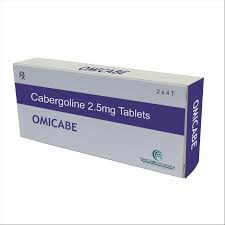
Cabergoline is not currently available in the country, so patients cannot purchase it domestically and need to purchase cabergoline through overseas channels. In foreign countries, cabergoline is the original drug, and the cheaper version is the Turkish original drug, which costs about one to two hundred yuan.
[ 免责声明 ] 本页面内容来自公开渠道(如FDA官网、Drugs官网、原研药厂官网等),仅供持有医疗专业资质的人员用于医学药学研究参考,不构成任何治疗建议或药品推荐。所涉药品可能未在中国大陆获批上市,不适用于中国境内销售和使用。如需治疗,请咨询正规医疗机构。本站不提供药品销售或代购服务。


