
.jpeg)
How effective is cabergoline?
Cabergoline (Cabergoline) is a dopamine receptor agonist used to treat dopamine-related disorders, including hyperprolactinemia, pituitary adenomas, and Parkinson's disease. Its efficacy has been extensively discussed and verified in clinical experiments and research.
1. Treatment of hyperprolactinemia
Hyperprolactinemia is a disease in which the anterior pituitary gland produces too much prolactin, which usually leads to irregular menstruation, abnormal breast secretions, infertility and other symptoms in women. Cabergoline has been used with remarkable success in the treatment of hyperprolactinemia.
A clinical trial of cabergoline in the treatment of hyperprolactinemia found that cabergoline significantly reduced prolactin levels in patients. In this study, patients took 1 mg of cabergoline per week, and after several weeks of treatment, most patients experienced significant reductions in prolactin levels. This helps improve symptoms, including resumption of the menstrual cycle and reduction of breast secretions. In addition, long-term use of cabergoline can also maintain the stability of prolactin levels, thereby effectively controlling the recurrence of hyperprolactinemia.
2. Treatment of pituitary adenoma
Cabergoline is also widely used to treat pituitary adenomas, which are tumors that are often located in the pituitary gland and may interfere with the normal secretion of pituitary hormones. Clinical experimental data show that cabergoline has a significant therapeutic effect on pituitary adenomas.
One study of patients with pituitary adenomas treated with cabergoline found that the drug reduced tumor size and improved related symptoms. This effect is mainly achieved through the interaction of cabergoline with dopamine D2 receptors, inhibiting the growth and division of pituitary adenoma cells. In addition, cabergoline also helps maintain normal levels of pituitary hormones and alleviates endocrine disorders in patients.
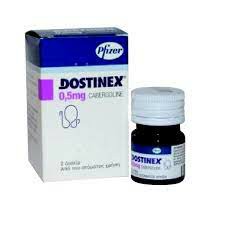
3. Treatment of Parkinson’s disease
Cabergoline is also used in the treatment of Parkinson's disease, a neurological disorder related to the dopamine system. People with Parkinson's disease often exhibit symptoms such as movement disorders, muscle stiffness, and tremors. The efficacy of cabergoline in the treatment of Parkinson's disease is mainly related to its dopamine receptor agonism.
Studies have shown that the use of cabergoline can increase dopamine levels, thereby improving motor function in patients with Parkinson's disease. A clinical trial found that cabergoline significantly improved tremor, muscle stiffness and motor coordination in patients with Parkinson's disease. This allows patients to better cope with symptoms of the disease and improves quality of life.
Cabergoline is a dopamine receptor agonist used to treat dopamine-related disorders, including hyperprolactinemia, pituitary adenomas, and Parkinson's disease. Clinical trial data show that cabergoline has significant efficacy in the treatment of these areas. It reduces prolactin levels in patients with hyperprolactinemia, relieves related symptoms, reduces the size of pituitary adenomas, and improves motor function in patients with Parkinson's disease. However, the use of cabergoline should be done under the guidance of a physician, as it may cause some side effects and the treatment plan needs to be tailored to the patient's specific condition. Ultimately, cabergoline played an important role in the treatment of dopamine-related diseases, improving the quality of life of many patients.
Cabergoline is not currently available in the country, so patients cannot purchase it domestically and need to purchase cabergoline through overseas channels. In foreign countries, cabergoline is the original drug, and the cheaper version is the Turkish original drug, which costs about one to two hundred yuan.
[ 免责声明 ] 本页面内容来自公开渠道(如FDA官网、Drugs官网、原研药厂官网等),仅供持有医疗专业资质的人员用于医学药学研究参考,不构成任何治疗建议或药品推荐。所涉药品可能未在中国大陆获批上市,不适用于中国境内销售和使用。如需治疗,请咨询正规医疗机构。本站不提供药品销售或代购服务。


