
.jpeg)
Copanlisib side effects
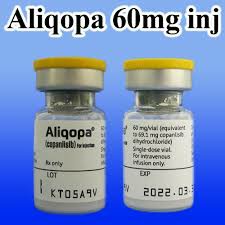
Copanlisib/Copanlisib (Copanlisib) is a drug used to treat certain types of leukemia and lymphoma. Although it has shown significant efficacy in anti-cancer therapy, it may also be associated with some varying degrees of side effects. These side effects can vary from person to person, so patients and doctors need to work closely together to monitor and manage these potential adverse reactions when using copanliside/copanisib. The following are the main side effects that may occur with copanliside/copanisib:
1. Low white blood cell count: This is a common side effect and one of the common adverse reactions of anticancer drugs. A low white blood cell count may increase the risk of infection, so patients will need to have their blood counts checked regularly, and their doctor may adjust their treatment plan to account for this.
2. Hyperglycemia: Copanliside/Copanisib may cause hyperglycemia, especially in patients with diabetes. Patients need to monitor their blood sugar levels regularly, and sometimes their diabetes medications may need to be adjusted or managed.
3. Hypertension: Copanliside/Copanisib Some patients may experience high blood pressure during use. It is important to monitor blood pressure regularly and, if necessary, take appropriate medications to manage high blood pressure.
4. Nausea and Vomiting: Patients may experience nausea and vomiting during treatment. These symptoms can be relieved with anti-nausea medications prescribed by your doctor.
5. Diarrhea: Diarrhea is another common side effect of copanliside/copanisib. Maintaining adequate fluid intake to prevent dehydration may be one way to relieve diarrhea.
6. Fatigue: Copanliser/Kupanisi may cause fatigue and patients may feel weak and tired. Adequate rest and appropriate exercise during treatment may help reduce fatigue.
7. Skin problems: Some patients may develop skin problems such as rash or itching. Your doctor can recommend certain topical medications or antihistamines to relieve these discomforts.
8. Allergic reactions: Although relatively rare, copanliside/Copanisib may also cause allergic reactions, such as rash, itching, shortness of breath, etc. If patients develop allergic symptoms, they should seek medical attention immediately.
9. Infection: Copanliside/Copanisib may reduce the number of white blood cells, making patients more susceptible to infections. Therefore, special care needs to be taken during treatment to avoid contact with environments and people at risk of infection.
10. Abnormal liver function: Copanliside/Copanisib may also have adverse effects on the liver, leading to abnormal liver function. Regular monitoring of liver function parameters is necessary in order to detect problems promptly and take appropriate measures.
It should be emphasized that althoughcopanliside/copanisib may cause the above side effects, not every patient will experience these uncomfortable reactions. During the treatment process, doctors will closely monitor the patient's condition and side effects in order to adjust the treatment plan or provide supportive treatment in a timely manner. Patients should actively work with their medical team to report any new symptoms or discomfort to ensure the success and safety of treatment.
Copanliside/Kupanisi has just been launched in China and has not been included in medical insurance. The specific price may not be determined yet. Please consult your local pharmacy for details. There is only the American version of the original drug available abroad, and the price is as high as more than 70,000 yuan.
[ 免责声明 ] 本页面内容来自公开渠道(如FDA官网、Drugs官网、原研药厂官网等),仅供持有医疗专业资质的人员用于医学药学研究参考,不构成任何治疗建议或药品推荐。所涉药品可能未在中国大陆获批上市,不适用于中国境内销售和使用。如需治疗,请咨询正规医疗机构。本站不提供药品销售或代购服务。


