
.jpeg)
The Difference Between Cemiplimab and Cetuximab
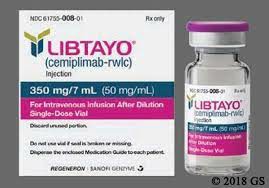
Cemiplimab and cetuximab (Cetuximab) are two drugs used in the treatment of cancer. Although they are both related to anti-cancer therapies, they differ significantly in many aspects, including their mechanisms of action, indications and therapeutic effects. Here's a detailed comparison of the two drugs:
1. Mechanism of action:
Cemiplimab (Cemiplimab): Cemiplimab is an immune checkpoint inhibitor mainly used to treat advanced squamous cell non-small cell lung cancer (SCC) with high PD-L1 expression. Its mechanism of action is to enhance the immune system's attack on cancer cells by blocking the binding of the PD-1 (programmed death -1) receptor and its ligand PD-L1 (programmed death ligand 1). By relieving inhibition of PD-1/PD-L1 communication, cimepilimab helps activate T cells so they can more effectively recognize and attack cancer cells.
Cetuximab (Cetuximab): Cetuximab is an epidermal growth factor receptor (EGFR) inhibitor used to treat certain types of cancer, such as EGFR-positive colorectal cancer and head and neck cancer. It slows the growth and spread of cancer cells by binding to and blocking the EGFR receptor, preventing it from being stimulated by growth factors. The mechanism of action of cetuximab is mainly to inhibit the development of cancer by directly affecting the growth process of cancer cells.
2. Indications:
Cemiplimab (Cemiplimab): Cemiplimab is primarily used to treat advanced squamous cell non-small cell lung cancer (SCC), particularly in patients with high PD-L1 expression. It is also approved for a specific type of cutaneous squamous cell carcinoma (SCC).
Cetuximab (Cetuximab): Cetuximab is mainly used to treat EGFR positive colorectal cancer and head and neck cancer. It is often used in combination with other treatment modalities, such as radiation therapy, in head and neck cancers.
3. Treatment effect:
Cemiplimab (Cemiplimab): Cemiplimab has shown significant therapeutic effects in patients with advanced squamous non-small cell lung cancer with high PD-L1 expression, including prolonging survival and improving quality of life. However, its efficacy may vary between patients.
Cetuximab (Cetuximab): Cetuximab also shows certain efficacy in the treatment of EGFR positive colorectal cancer and head and neck cancer, and can slow down the progression of the disease. However, in some patients, resistance may develop, causing the drug to become ineffective.
4. Adverse reactions:
Cemiplimab: Common adverse reactions include fatigue, rash, nausea, diarrhea, and immune-related adverse events, such as immune thyroid disease. These adverse reactions are often related to overactivation of the immune system.
Cetuximab (Cetuximab): Common adverse reactions include skin rash, allergic reactions, nausea, vomiting and diarrhea. In addition, some adverse events related to EGFR may occur, such as dry skin and inflammation.
To summarize, cimepilimab and cetuximab are two different types of anti-cancer drugs with different mechanisms of action, indications and adverse reactions. Cimepilimab is an immune checkpoint inhibitor, mainly used for advanced squamous cell non-small cell lung cancer with high expression of PD-L1, while cetuximab is an EGFR inhibitor, used for EGFRPositive colorectal and head and neck cancers. Before receiving treatment with these drugs, patients should choose appropriate drugs based on their doctor's advice and specific conditions. Additionally, the two drugs may cause different adverse effects, so patients need to be closely monitored and managed for these effects.
Cimeplimab is not currently available in China, so patients cannot purchase it domestically and need to purchase cimeplimab through overseas channels. There are only cimepri monoclonal original drugs abroad, mainly European and American versions. The European version is about 40,000, and the American version is about 100,000. Both are original drugs, and their drug ingredients and efficacy are the same.
[ 免责声明 ] 本页面内容来自公开渠道(如FDA官网、Drugs官网、原研药厂官网等),仅供持有医疗专业资质的人员用于医学药学研究参考,不构成任何治疗建议或药品推荐。所涉药品可能未在中国大陆获批上市,不适用于中国境内销售和使用。如需治疗,请咨询正规医疗机构。本站不提供药品销售或代购服务。


