
.jpeg)
What are the precautions for selumetinib?
In clinical studies of selumetinib, patients had adverse events such as cardiomyopathy, eye toxicity, gastrointestinal toxicity, skin toxicity, increased creatine phosphokinase, vitamin E levels, increased bleeding risk, embryo-fetal toxicity, etc. During treatment, patients had to suspend, reduce the dose, or permanently discontinue selumetinib based on the severity of the adverse reactions.
1. Cardiomyopathy: defined as left ventricular ejection fraction (LVEF) ≥10% below baseline.In clinical studies, 4% of patients experienced a reduction in LVEF below the institutional lower limit of normal (LLN). All patients with reduced LVEF were asymptomatic and identified on routine echocardiography. Ejection fraction was assessed by echocardiography before initiating treatment, every 3 months during the first year of treatment, every 6 months thereafter, and as clinically indicated. For patients who discontinue selumetinib therapy due to decreased LVEF, perform echocardiography or cardiac MRI every 3 to 6 weeks. When LVEF drops to ≥LLN, an echocardiogram or cardiac MRI examination should be performed every 2-3 months or according to the doctor's instructions.
2. Eye toxicity: including blurred vision, photophobia, cataracts and high intraocular pressure. Some patients have dose interruption due to blurred vision. Serious ocular toxicities, including retinal vein occlusion (RVO) and retinal pigment epithelial detachment (RPED), have occurred in an unapproved population of adult patients with multiple tumor types who received selumetinib alone or in combination with other anticancer drugs. Before starting selumetinib, have a comprehensive ophthalmologic evaluation performed periodically during treatment and to evaluate for new or worsening vision changes. Patients with RVO should permanently discontinue selumetinib. Discontinue selumetinib in patients with RPED disease and conduct follow-up optical coherence tomography evaluations every 3 weeks until resolution and reduce the dose.
3. Gastrointestinal toxicity: Common ones include diarrhea, which may lead to dose interruption or dose reduction. The average time to first onset of diarrhea was 17 days, and the average duration was 2 days. Serious gastrointestinal toxicities, including perforation, colitis, ileus, and ileus, occurred in an unapproved population of adult patients with multiple tumor types who received selumetinib alone or in combination with other anticancer drugs. Advise patients to start using an antidiarrheal agent (such as loperamide) immediately after the first onset of unformed loose stools and to increase fluid intake during diarrhea.
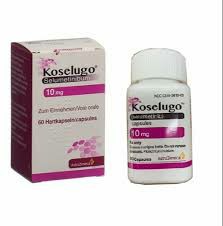
4. Skin Toxicity: The most common rashes include acneiform dermatitis, maculopapular rash, and eczema. Other skin toxicities include severe palmo-plantar red cell dysesthesia syndrome, which occurs in unapproved adult patients with multiple tumor types who received Physicians should monitor for severe rash during selumetinib monotherapy or in combination with other anticancer drugs.
5. Elevated creatine phosphokinase (CPK): In clinical studies, 8% of patients experienced increased CPK accompanied by myalgia, and rhabdomyolysis occurred in unapproved adult populations receiving selumetinib monotherapy. Obtain serumCPK before initiating selumetinib, periodically during treatment, and as clinically indicated. If CPK is elevated, evaluate the patient for rhabdomyolysis or other causes.
6. Vitamin E level: Selumetinib capsules contain vitamin E. Vitamin E can inhibit platelet aggregation and antagonize vitamin K-dependent coagulation factors. Daily vitamin E intake above recommended or safe limits may increase the risk of bleeding. Vitamin E supplementation is not recommended if daily vitamin E intake (including selumetinib and the amount of vitamin E in supplements) would exceed recommended or safe limits.
7. Increased risk of bleeding: Patients taking vitamin K antagonists or antiplatelet antagonists at the same time as selumetinib may have an increased risk of bleeding. Monitor these patients for bleeding. Increase international normalized ratio (INR) monitoring in patients taking vitamin K antagonists as appropriate. Perform anticoagulation assessments, including INR or prothrombin time, more frequently and adjust doses of vitamin K antagonists or antiplatelet agents as appropriate.
8. Embryo-fetal toxicity: Based on findings from animal studies and its mechanism of action, selumetinib can cause fetal damage when administered to pregnant women. In animal reproduction studies, administration of selumetinib to mice during organogenesis resulted in reduced fetal weight, adverse structural defects, and effects on embryonic-fetal survival at a clinical dose of 25 mg/m twice daily, an exposure approximately more than 5 times the human exposure. Inform pregnant women of potential risks to the fetus. Advise females of reproductive potential to use effective contraception during treatment and for 1 week after the last dose. Advise men who are partners of a female of reproductive potential to use effective contraception during treatment and for 1 week after the last dose of medication.
[ 免责声明 ] 本页面内容来自公开渠道(如FDA官网、Drugs官网、原研药厂官网等),仅供持有医疗专业资质的人员用于医学药学研究参考,不构成任何治疗建议或药品推荐。所涉药品可能未在中国大陆获批上市,不适用于中国境内销售和使用。如需治疗,请咨询正规医疗机构。本站不提供药品销售或代购服务。


