
.jpeg)
What are the precautions for Selinexor?
In clinical studies of Selinexor (Selinexor), warnings and precautions such as thrombocytopenia, neutropenia, gastrointestinal toxicity, hyponatremia, serious infection, neurotoxicity, embryo-fetal toxicity, cataracts, etc. may occur. Depending on the severity of adverse reactions, interruption, dose reduction or permanent discontinuation may occur.
1. Thrombocytopenia: Selinisol can cause life-threatening thrombocytopenia and may lead to bleeding. Decreased platelets are the main reason for dose modification. In clinical studies, patients who develop thrombocytopenia also experience clinically significant bleeding, and platelet counts should be monitored at baseline and throughout treatment. During the first three months of treatment, monitor more frequently. Platelet transfusions and/or other treatments were administered as clinically indicated. Monitor patients for signs and symptoms of bleeding and seek prompt evaluation.
2. Neutropenia: Life-threatening neutropenia may occur and potentially increase the risk of infection, as measured by the difference in white blood cell counts between baseline and throughout treatment. During the first three months of treatment, monitor more frequently. Monitor patients for signs and symptoms of co-infections and conduct prompt evaluation. Consider supportive measures, including antimicrobials and growth factors (egG-CSF).
3. Gastrointestinal toxicity: Selinisol can cause severe gastrointestinal toxicity, which may include nausea/vomiting, diarrhea, anorexia/weight loss, etc. Monitor body weight, nutritional status and volume status at baseline and throughout the treatment period. During the first three months of treatment, monitor more frequently. Provide nutritional support, fluid and electrolyte replacement as clinically indicated.
4. Hyponatremia: Selinisol may include severe or life-threatening hyponatremia. In approximately 63% of cases, hyponatremia occurs in the context of gastrointestinal toxicity, such as nausea, vomiting, diarrhea, dehydration and anorexia. Monitor sodium levels at baseline and throughout treatment. Monitor more frequently during the first two months of treatment. Correct sodium levels complicated by hyperglycemia (serum glucose >150 mg/dL) and high serum paraprotein levels. Assess hydration status and manage hyponatremia according to clinical guidelines, including intravenous saline and/or salt tablets (as appropriate) and dietary review.
5. Serious infections: Selinisol can cause serious and fatal infections, most of which are not associated with grade 3 or higher neutropenia. In clinical studies, the most commonly reported infections include pneumonia, sepsis (sepsis), and atypical infections reported include, but are not limited to, fungal pneumonia and herpesvirus infections. Monitor for signs and symptoms of infection for prompt evaluation and treatment.
6. Neurotoxicity: Selinesol can cause life-threatening neurotoxicity. Nervous system adverse reactions (excluding peripheral neuropathy) include dizziness, syncope, decreased level of consciousness, vertigo, amnesia, and mental status changes (including delirium and confusion); the combination of selinesol with other products that cause dizziness or mental status changes may increase the risk of neurotoxicity. Advise patients not to drive and engage in hazardous occupations or activities, such as operating heavy or potentially hazardous machinery, until neurotoxicity is completely resolved. Optimize hydration status, hemoglobin levels, and concomitant medications to avoid exacerbating dizziness or mental status changes. Have appropriate fall prevention measures in place.
7. Embryo-Fetal Toxicity: According to animal research data and its mechanism of action, taking selinesol by pregnant women will cause harm to the fetus. Administration of Selinexor to pregnant animals during organogenesis resulted in structural abnormalities and growth changes at exposures lower than those seen at clinically recommended doses. Inform pregnant women of potential risks to the fetus. Advise females of reproductive potential and males with female partners of reproductive potential to use effective contraception during treatment with selinesol and for 1 week after the last dose.
8. Cataract: New cataract onset or worsening occurs during treatment with selinesol. Among patients who developed cataracts at the start of treatment with selinesol, the median time to new cataracts was 228 days and the median time to cataract progression was 237 days. Treatment of cataracts usually requires surgical removal of the cataract.
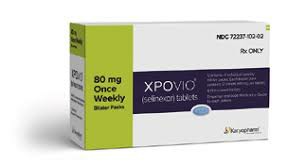
The original drug Seleniso has been launched in China, but it has not yet entered the scope of medical insurance. Specifications The price of 20mg*12 tablets per box may be around 20,000 yuan. The US version of the original Seleniso drug sold overseas, with a specification of 20mg*8 tablets, may cost more than 100,000 yuan per box (the price may fluctuate due to exchange rates), which is very expensive. Currently, there are also generic Selinisol drugs produced and marketed overseas. The price of a box of 20mg*16 tablets produced by a Lao pharmaceutical factory may be around RMB 4,000 (the price may fluctuate due to the exchange rate). Its drug ingredients are basically the same as those of the original drugs sold domestically and abroad.
[ 免责声明 ] 本页面内容来自公开渠道(如FDA官网、Drugs官网、原研药厂官网等),仅供持有医疗专业资质的人员用于医学药学研究参考,不构成任何治疗建议或药品推荐。所涉药品可能未在中国大陆获批上市,不适用于中国境内销售和使用。如需治疗,请咨询正规医疗机构。本站不提供药品销售或代购服务。


