
.jpeg)
Denosumab Chinese instructions
1. Indications:
Denosumab is a drug used to treat bone-related diseases. Indications include:
1. Treatment of osteoporosis: used in menopausal women and the elderly to increase bone density and reduce the risk of fractures.
2. Treatment of cancer bone metastasis: used in some cancer patients to slow down or reduce the progression of bone metastasis and relieve bone pain.
2. Mechanism of action:
Denosumab is a monoclonal antibody that works by targetingRANKL (receptor-activated nuclear factorκBligand) protein. Its main mechanisms of action include:
1. Inhibit bone resorption: Desosumab binds to RANKL, preventing it from binding to bone cells (osteoclasts) and inhibiting the bone resorption process.
2. Increase bone density: By inhibiting bone resorption, denosumab can increase bone density, thereby reducing the risk of fractures.
3. Pharmacology:
The pharmacological characteristics of denosumab include:
1. Route of administration: Desosumab is administered to patients by subcutaneous injection.
2. Dosing interval: usually every six months to ensure continued bone density maintenance.
3. Bone resorption inhibition: Desosumab increases bone density and reduces the risk of fractures by inhibiting the activity of bone cells during the bone resorption process.
4. Dosage and usage:
The dosage and usage of denosumab are as follows:
1. Osteoporosis treatment: usually administered subcutaneously every six months, with a dose of 60 mg.
2. Treatment of cancer bone metastases: Dosage and usage may vary depending on the patient's specific condition and cancer type, and are determined by the doctor based on needs.
5. Side effects:
Common side effects of denosumab include but are not limited to:
1. Skin reaction: Redness, swelling, pain, itching, or skin discoloration may occur at the injection site.
2. Hypocalcemia: It may cause hypocalcemia, leading to neurological symptoms such as convulsions, convulsions, and muscle spasms.
3. Nausea and Vomiting: Some patients may experience mild nausea or vomiting.
4. Osteonecrosis of the jaw: Associated with an increased risk of death (necrosis) of jaw tissue.
5. Increased risk of infection: Desosumab may increase the risk of infection.
Patients should pay close attention to any side effects during treatment and contact their doctor promptly.
6. Warnings and precautions:
Patients should pay attention to the following warnings and precautions when using denosumab:
1. Hypocalcemia: Check blood calcium levels regularly and avoid low-calcium foods and drugs.
2. Osteonecrosis of the jaw: Before having dental surgery or dental treatment, inform your doctor that you are using denosumab.
3. Infection risk: Closely monitor any symptoms of infection and seek prompt medical help.
4. Pregnancy and lactation: Women who are pregnant, planning to become pregnant or lactating should be used with caution and under the guidance of a physician before use.
7. Contraindications:
Contraindications to denosumab include:
1. Patients who are allergic to drug ingredients.
2. Hypocalcemia already exists or severe renal insufficiency exists.
3. Certain conditions in pregnant or lactating women.
Patients should discuss potential contraindications in detail with their physician prior to use.
8. Drug interactions:
Denosumab may interact with other medications, so inform your doctor about other medications you are taking, including prescription drugs, over-the-counter drugs, and supplements before use. In particular, certain medications may affect the effectiveness of denosumab or increase the risk of its side effects.
9. Medicine for special groups:
1. Children: The safety and effectiveness of denosumab in children have not been established and use in children is not recommended.
2. Elderly patients: Elderly patients may have some changes in the metabolism of denosumab, so doctors may need to adjust the dose based on specific circumstances.
3. Patients with renal impairment: In patients with severe renal impairment, the dosage and regimen of denosumab may need to be adjusted.
4. Pregnant and lactating women: Use in women who are pregnant, planning to become pregnant or lactating requires careful consideration and should be conducted under the guidance of a physician.
10. Listing and price situation:
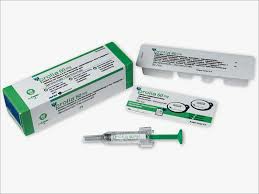
The generic drug Desosomet is already on the market in China and has been included in medical insurance. Patients can purchase it domestically at a price of about 1,600 yuan. Please consult the local hospital pharmacy or medical insurance bureau for specific prices and reimbursement policies. There are only denosumab original drugs available abroad, mainly the Turkish version of the American Amgen original drug. The price is about 1,300 yuan, and the ingredients and efficacy are consistent with the domestic original drug.
Denosumab is a powerful drug with important value in the treatment and prevention of bone-related diseases. Patients should follow their doctor's recommendations and prescriptions, closely monitor any side effects, and maintain regular contact with their doctor during treatment to ensure optimal therapeutic effects and safety.
[ 免责声明 ] 本页面内容来自公开渠道(如FDA官网、Drugs官网、原研药厂官网等),仅供持有医疗专业资质的人员用于医学药学研究参考,不构成任何治疗建议或药品推荐。所涉药品可能未在中国大陆获批上市,不适用于中国境内销售和使用。如需治疗,请咨询正规医疗机构。本站不提供药品销售或代购服务。


