
.jpeg)
The role and efficacy of Pexidartinib
Pexidartinib, a colony-stimulating factor 1 receptor (CSF1R) inhibitor, offers a promising molecular approach to target tumor drivers of tenosynovial giant cell tumors (TGCT). Although the introduction of pesidartinib has enabled clinicians to avoid the significant morbidity associated with traditional treatment regimens, pesidartinib treatment also carries clear risks. Therefore, patient selection is crucial to optimize treatment modalities for tenosynovial giant cell tumors (TGCT).
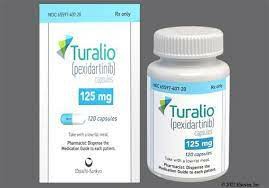
Giant cell tumor of the tenosynovium is a synovial tumor of the joint that can have a severe impact on joint mobility, function, and quality of life. Traditionally, treatment has included partial or complete surgical synovectomy, radiation therapy (often as an adjunct to surgery), and close surveillance (without drug or surgical intervention). However, these approaches have been associated with varying degrees of success and high recurrence rates, as well as severe complications and clinical sequelae. In studies of pesidartinib, rates of improvement in joint mobility, pain, and recurrence-free survival have been encouraging. The most common adverse events were mild (hair pigmentation) or reversible (transient aminotransferase elevations). Serious or permanent adverse events (especially cholestatic hepatotoxicity) occurred rarely. Although the optimal treatment strategy remains highly dependent on the patient's clinical situation and treatment goals, pexidartinib has emerged as a promising treatment in situations where the morbidity of surgery or radiotherapy outweighs the benefits.
Pesidartinib is not marketed in the country. There is less information on the price and other related information of pexidartinib after it is launched overseas. For more drug information and specific prices, please consult the medical consultant.
[ 免责声明 ] 本页面内容来自公开渠道(如FDA官网、Drugs官网、原研药厂官网等),仅供持有医疗专业资质的人员用于医学药学研究参考,不构成任何治疗建议或药品推荐。所涉药品可能未在中国大陆获批上市,不适用于中国境内销售和使用。如需治疗,请咨询正规医疗机构。本站不提供药品销售或代购服务。


