
.jpeg)
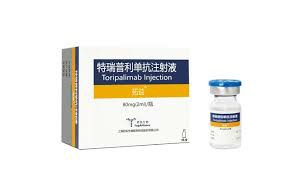
Instructions for Toripalimab
1. Name: Toripalimab
Product name: Tuoyi, LOQTORZI
All names: Toripalimab Injection, Toripalimab Injection, toripalimab-tpzi
2. Indications:
1. Nasopharyngeal carcinoma (NPC):
(1)Toripalimab in combination with cisplatin (Cisplatin) and gemcitabine (Gemcitabine) for the first-line treatment of adults with metastatic or recurrent (R/R) locally advanced nasopharyngeal carcinoma.
(2)As a single agent, toripalimab is indicated for the treatment of adult patients with recurrent unresectable or metastatic nasopharyngeal carcinoma whose disease has progressed during or after platinum-containing chemotherapy.
2. Melanoma: Toripalimab is used to treat unresectable or metastatic melanoma that has not responded to previous systemic therapy.
3. Urothelial carcinoma (UC): Toripalimab is used as a second-line treatment for adults with locally advanced or metastatic urothelial carcinoma.
3. Usage and dosage:
1. Recommended dose: As a first-line treatment for nasopharyngeal carcinoma, the recommended dose of toripalimab is 240 mg every three weeks until disease progression, unacceptable toxicity, or up to 24 months; when toripalimab is used to treat recurrent nasopharyngeal cancer, melanoma, and urothelial cancer, the recommended dose is 3 mg/kg every two weeks until disease progression or unacceptable toxicity occurs.
2. Dose adjustment: It is not recommended to reduce the dose of toripalimab . In general, toripalimab should be discontinued for severe (Grade 3) immune-mediated adverse reactions. Permanently discontinue toripalimab for life-threatening (Grade 4) immune-mediated adverse reactions, recurrent severe (Grade 3) immune-mediated reactions requiring systemic immunosuppressive therapy, or failure to reduce prednisone to 10 mg or less per day (or equivalent) within 12 weeks of steroid initiation.
4. Adverse reactions:
In studies of toripalimabcombination, the most common adverse reactions (≥20%) for nausea, vomiting, decreased appetite, constipation, hypothyroidism, rash, fever, diarrhea, peripheral neuropathy, cough, musculoskeletal pain, upper respiratory tract infection, insomnia, dizziness and malaise; the most common level 3 or 4 experiments Compartmental abnormalities (≥2%) were neutropenia, lymphopenia, decreased hemoglobin, thrombocytopenia, decreased potassium, decreased sodium, increased alanine aminotransferase, increased or decreased magnesium, decreased calcium, increased aspartate aminotransferase, and increased bilirubin.
In studies of toripalimab monotherapy, the most common (≥20%) adverse reactions were fatigue, hypothyroidism, and musculoskeletal pain; the most common grade 3 or 4 laboratory abnormalities (≥2%) were decreased sodium, lymphopenia, decreased hemoglobin, decreased fibrinogen, increased lipase, increased amylase, decreased phosphate, increased aspartate aminotransferase, increased glucose, and increased triglycerides.
5. Storage:
Refrigerate toripalimab vials in the original carton at 2°C to 8°C (36°F to 46°F) to protect from light. Do not freeze. Don't shake.
If the diluted solution is not used immediately, store at room temperature, 20°C to 25°C (68°F to 77°F) for no more than 8 hours from the time of dilution to completion of infusion. Discard dilute solutions stored at room temperature after 8 hours. Refrigerate at 2°C to 8°C (36°F to 46°F) for no more than 24 hours from the time of dilution to completion of infusion. If refrigerated, allow dilute solution to come to room temperature before administration. Discard the refrigerated diluted solution after 24 hours.
6. Special groups:
1. Women: According to its mechanism of action, toripalimab taken by pregnant women may cause harm to the fetus. Therefore, it is recommended that lactating women should not breastfeed during drug treatment and for 4 months after the last dose; women of reproductive potential should use effective contraception during drug treatment and for 4 months after the last dose.
7. Mechanism of action:
The PD-1 ligands PD-L1 and PD-L2 bind to the PD-1 receptor on T cells and inhibit T cell proliferation and cytokine production. Upregulation of PD-1 ligand occurs in some tumors, and signaling through this pathway may contribute to suppression of active T cell immune surveillance of tumors. Toripalimab is a humanized IgG4 monoclonal antibody that binds to the PD-1 receptor and blocks its interaction with PD-L1 and PD-L2, releasing PD-1 pathway-mediated suppression of immune responses, including anti-tumor immune responses. In syngeneic mouse tumor models, blocking PD-1 activity resulted in decreased tumor growth.
[ 免责声明 ] 本页面内容来自公开渠道(如FDA官网、Drugs官网、原研药厂官网等),仅供持有医疗专业资质的人员用于医学药学研究参考,不构成任何治疗建议或药品推荐。所涉药品可能未在中国大陆获批上市,不适用于中国境内销售和使用。如需治疗,请咨询正规医疗机构。本站不提供药品销售或代购服务。


