
.jpeg)
Efficacy and effects of Panobinostat
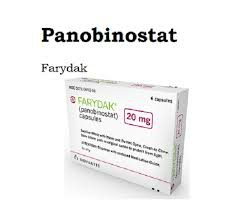
Panobinostat (Panobinostat) is a new type of anti-tumor drug that belongs to the class of histone deacetylase inhibitors (HDAC inhibitors). Its main function is to inhibit the growth and spread of tumor cells by inhibiting the activity of histone deacetylase and affecting the expression of cellular genes. The efficacy and role of panobinostat will be introduced in detail below.
1. Anti-cancer effect
Pabinostat is mainly used to treat multiple myeloma (Multiple Myeloma), which is a malignant disease in which plasma cells in the bone marrow abnormally proliferate. It exerts its anti-cancer effect in the following ways:
a. HDACInhibition: Panobinostat reduces the acetylation level of histones by inhibiting histone deacetylase. This can alter chromatin structure and affect gene transcription and expression. In multiple myeloma, it helps control the growth of malignant plasma cells and slows the progression of the disease.
b. Cell apoptosis induction: Panobinostat can also induce apoptosis of tumor cells, that is, promote the spontaneous death of cancer cells. This is crucial for preventing the growth and spread of tumors and is one of the important mechanisms of panobinostat's anti-cancer effect.
c. Inhibit angiogenesis: It also reduces the blood supply to tumors by inhibiting the process of angiogenesis, starving tumor cells of nutrients and oxygen, thereby preventing tumor growth.
2. Clinical Application
Panobinostat is approved for the treatment of multiple myeloma, particularly in patients whose disease has progressed despite multiple lines of therapy. It is often used in combination with other anti-cancer drugs to increase the effectiveness of the treatment. Clinical studies are ongoing to explore the potential effectiveness of panobinostat in the treatment of other cancers.
3. Adverse reactions
Although panobinostat has shown significant efficacy in cancer treatment, it is also accompanied by some adverse reactions, including but not limited to:
a. Hematological toxicity: Use of panobinostat may cause hematological problems such as anemia, thrombocytopenia, and leukopenia. Therefore, patients' blood indicators need to be closely monitored during treatment.
b. Cardiotoxicity: Panobinostat may have adverse effects on the heart, leading to irregular heartbeats and other problems. Therefore, doctors need to carefully evaluate a patient's heart health when using this drug.
c. Gastrointestinal effects: Patients may experience gastrointestinal symptoms such as nausea, vomiting, and diarrhea.
4. Research Progress
As a new anti-cancer drug, panobinostat's effect in clinical application is still under continuous research and improvement. Researchers are working hard to understand its mechanism of action and seek wider applications. At the same time, continuous improvement of treatment options to improve efficacy and reduce adverse reactions is one of the focuses of current research.
Overall, panobinostat, a histone deacetylase inhibitor, exhibits significant anticancer potential in the treatment of multiple myeloma. However, due to the presence of adverse reactions, careful evaluation is required before use and the patient's physical condition is closely monitored during treatment. In the future, as scientific research continues to deepen, panobinostat is expected to achieve positive results in more cancer treatment fields.
Panobinostat is not currently on the market in China, so patients cannot purchase it domestically and need to purchase panobinostat through overseas channels. There are only panobinostat original drugs available abroad, mainly the European version of the Swiss Novartis original drug, which is expensive, as high as more than 40,000 yuan.
[ 免责声明 ] 本页面内容来自公开渠道(如FDA官网、Drugs官网、原研药厂官网等),仅供持有医疗专业资质的人员用于医学药学研究参考,不构成任何治疗建议或药品推荐。所涉药品可能未在中国大陆获批上市,不适用于中国境内销售和使用。如需治疗,请咨询正规医疗机构。本站不提供药品销售或代购服务。


