
.jpeg)
Chinese instructions for Panobinostat
1. Indications (Indications)
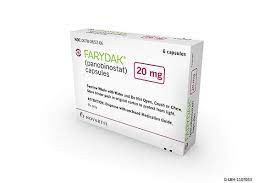
Panobinostat is a histone deacetylase inhibitor indicated for the treatment of patients with multiple myeloma (Multiple Myeloma), especially those whose disease has progressed despite multiple treatments.
2. Mechanism of Action (Mechanism of Action)
Pabinostat affects the acetylation level of histones by inhibiting the activity of histone deacetylase, thereby changing the chromatin structure and regulating gene transcription and expression. This mechanism mainly acts on cancer cells, inhibiting their growth, differentiation and spread.
3. Pharmacology (Pharmacology)
1.Histone deacetylation inhibition: Pabinostat inhibits the abnormal cells of multiple myeloma by inhibiting histone deacetylase, reducing histone acetylation and adjusting gene expression levels.
2.Apoptosis induction: This drug can induce the apoptosis of cancer cells, promote the spontaneous death of malignant cells and prevent tumor growth.
3.Inhibiting angiogenesis: Pabinostat reduces the blood supply to tumors by inhibiting the process of angiogenesis, starving cancer cells of nutrients and oxygen, thereby preventing tumor growth.
4. Dosage and Administration (Dosage and Administration)
The usage and dosage of panobinostat should be individually adjusted by a professional physician based on the patient's specific conditions. Often, it is used in combination with other anti-cancer drugs. For oral administration, it is recommended to follow a specific medication regimen under the advice of a doctor.
5. Side effects (Side Effects)
The use of panobinostat may be associated with the following side effects:
1.Hematological toxicity: Including anemia, thrombocytopenia and leukopenia, etc.
2.Cardiotoxicity: May cause cardiac problems such as arrhythmia.
3.Gastrointestinal reactions: Including nausea, vomiting and diarrhea.
4.Patients should closely monitor the above adverse reactions during medication and report to the doctor in a timely manner.
6. Warnings and Precautions (Warnings and Precautions)
1.Heart Health: Patients' heart function should be closely monitored while taking panobinostat, especially those with a history of heart disease.
2.Blood Monitoring: Perform regular blood monitoring to evaluate the patient's platelet, white blood cell, and red blood cell levels.
7. Contraindications (Contraindications)
Pabinostat is contraindicated in the following circumstances:
1.Patients who are allergic to any ingredient in the drug.
2.Pregnant and lactating women.
8. Drug Interactions (Drug Interactions)
While using panobinostat, careful consideration should be given to interactions with other medications, especially those that may affect heart function or the blood system.
9. Medication for special populations (Special Populations)
1.Children and adolescents: For patients in this age group, current data are limited and caution should be used when using medication.
2.Elderly patients: Elderly patients may be more prone to adverse reactions when using panobinostat, and the dose needs to be adjusted carefully.
10. Listing and price situation:
Panobinostat is not currently on the market in China, so patients cannot purchase it domestically and need to purchase panobinostat through overseas channels. There are only panobinostat original drugs available abroad, mainly the European version of the Swiss Novartis original drug, which is expensive, as high as more than 40,000 yuan.
[ 免责声明 ] 本页面内容来自公开渠道(如FDA官网、Drugs官网、原研药厂官网等),仅供持有医疗专业资质的人员用于医学药学研究参考,不构成任何治疗建议或药品推荐。所涉药品可能未在中国大陆获批上市,不适用于中国境内销售和使用。如需治疗,请咨询正规医疗机构。本站不提供药品销售或代购服务。


