
.jpeg)
Efficacy of Panobinostat in the treatment of multiple myeloma
Panobinostat (Panobinostat) is a histone deacetylase inhibitor that has been widely studied and used to treat multiple myeloma (Multiple Myeloma, MM). Multiple myeloma is a leukemic plasma cell disease characterized by the excessive proliferation of abnormal plasma cells in the bone marrow, leading to bone destruction, anemia, and impaired immune function. The following will discuss the efficacy of panobinostat in the treatment of multiple myeloma and elaborate on it based on clinical experimental data.
1. Clinical Trial Overview
Clinical trials of panobinostat are mainly focused on patients with multiple myeloma, aiming to evaluate its safety, tolerability, and impact on patient survival and quality of life in treatment. Multiple pivotal clinical trials provided strong support for the drug's approval.
a. PANORAMA-1 Trial: PANORAMA-1 is a pivotal clinical trial studying panobinostat in combination with prednisone and rituximab (Bortezomib and Dexamethasone, Pano-BD ) in the treatment of multiple myeloma. The multicenter, randomized, double-blind, placebo-controlled trial included 872 patients with previously treated multiple myeloma whose disease had progressed.
b. Outcomes and Survival Analysis: Key results from the PANORAMA-1 trial showed that overall survival was significantly longer in the Pano-BD combination group compared with patients treated with prednisone and rituximab alone. The introduction of panobinostat significantly improved patient prognosis, confirming its significant effect in improving patient survival rates.
2. Extension of survival
The introduction of panobinostat in the treatment of multiple myeloma has significantly improved the overall survival of patients. Clinical trial results show that compared with the standard treatment group, patients using panobinostat achieved significant advantages in progression-free survival (Progression-Free Survival, PFS) and overall survival (Overall Survival, OS).
a. Progression-free survival (PFS): In the PANORAMA-1 trial, patients treated with the Pano-BD combination showed significantly longer progression-free survival. PFS is the time taken to evaluate the patient’s disease progression during treatment and is also an important indicator reflecting the effect of treatment. The use of panobinostat effectively delays the progression of the disease and provides patients with a longer treatment window.
b. Overall survival (OS): Overall survival is an evaluation of the patient’s survival time during treatment and follow-up, and is a key indicator of the effectiveness of multiple myeloma treatment. PANORAMA-1 The results of the trial showed that Pano-BD combination therapy significantly improved the overall survival rate of patients, allowing them to achieve longer survival in the face of the severe disease of multiple myeloma.
3. Remarkable curative effect on some refractory patients
The efficacy of panobinostat has not only been confirmed in ordinary multiple myeloma patients, but has also shown significant effects in some refractory cases. Some research results show that panobinostat can still exert its powerful anti-cancer effect in patients with more severe conditions who have experienced multiple rounds of treatment, providing new treatment hope for this patient group.
4. Safety and Tolerability
While the therapeutic efficacy of panobinostat has been demonstrated, both patients and physicians have raised concerns about its safety and tolerability. According to clinical trial data, the use of panobinostat may cause some adverse reactions in some patients, including:
Hematological toxicity: Including anemia, thrombocytopenia, and leukopenia.
Cardiotoxicity: Includes heart problems such as irregular heartbeats.
Gastrointestinal reactions: Including nausea, vomiting and diarrhea.
However, in actual clinical applications, doctors usually reduce these adverse reactions by adjusting the dose or taking other symptomatic treatment measures to ensure that patients can continue to benefit from panobinostat treatment.
5. Comprehensive evaluation
Taken together, panobinostat has shown significant efficacy in the treatment of multiple myeloma. Clinical trial data clearly show that in combination therapy, panobinostat can significantly extend the progression-free survival and overall survival of patients, especially in some refractory cases. However, patients and doctors still need to pay attention to potential adverse reactions when using panobinostat, and make timely monitoring and adjustments to ensure the best effect of treatment.
The introduction of panobinostat provides an innovative treatment option for patients with multiple myeloma, especially those with more severe disease or those who have experienced multiple rounds of treatment but still need it. In the future, with in-depth research and continuous improvement of panobinostat, it is believed that this drug will play an increasingly important role in the treatment of multiple myeloma.
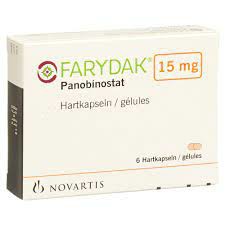
Panobinostat is not currently on the market in China, so patients cannot purchase it domestically and need to purchase panobinostat through overseas channels. There are only panobinostat original drugs available abroad, mainly the European version of the Swiss Novartis original drug, which is expensive, as high as more than 40,000 yuan.
[ 免责声明 ] 本页面内容来自公开渠道(如FDA官网、Drugs官网、原研药厂官网等),仅供持有医疗专业资质的人员用于医学药学研究参考,不构成任何治疗建议或药品推荐。所涉药品可能未在中国大陆获批上市,不适用于中国境内销售和使用。如需治疗,请咨询正规医疗机构。本站不提供药品销售或代购服务。


