
.jpeg)
Precautions for Mirvetuximab soravtansine-gynx
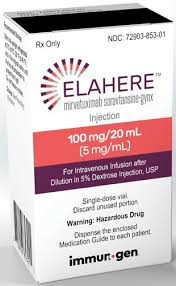
During clinical studies of Mirvetuximab (Mirvetuximab soravtansine-gynx), warnings and precautions such as eye disease, interstitial lung disease/pneumonia, peripheral neuropathy, embryo-fetal toxicity, etc. have emerged. Doctors will suspend, reduce or permanently discontinue the use of Mirvetuximab based on the severity and duration of the disease.
1. Eye diseases: Mivituximab can cause serious ocular adverse reactions, including visual impairment, corneal pathology, dry eye, photophobia, eye pain and uveitis. In clinical studies, the most common (≥5%) ocular adverse reactions were visual impairment, corneal pathology, dry eye syndrome, cataracts, photophobia and eye pain. It is recommended that patients undergo an ophthalmic examination, including visual acuity and slit lamp examination, before starting treatment, every other cycle for the first 8 cycles, and as clinically indicated. Premedication and use of lubricating and topical ophthalmic steroid eye drops during treatment with mirvituximab are recommended, and patients are advised to avoid contact lens use during treatment with mirvituximab unless directed by their healthcare provider.
2. Interstitial lung disease (ILD)/Pneumonitis: Severe, life-threatening or fatal interstitial lung disease, including pneumonia, may occur with mivituximab. Monitor patients for pulmonary signs and symptoms of pneumonia, which may include hypoxia, cough, dyspnea, or interstitial infiltrates on radiologic examination. Infectious, neoplastic, and other causes of such symptoms should be ruled out by appropriate investigations. For patients who develop persistent or recurrent grade 2 pneumonitis, dosing should be withheld until symptoms resolve to ≤ grade 1 and a dose reduction should be considered. Permanently discontinue mivituximab in all patients with grade 3 or 4 pneumonitis. Asymptomatic patients can continue taking milvituximab with close monitoring.
3. Peripheral neuropathy: including peripheral neuropathy, peripheral sensory neuropathy, paresthesia, neurotoxicity, hypoesthesia, peripheral motor neuropathy, neuralgia, polyneuropathy and oral hypoesthesia. Monitor patients for possible signs and symptoms of neuropathy, such as paresthesias, tingling or burning sensations, neuropathic pain, muscle weakness, or paresthesia while taking milvituximab.
4. Embryonic-Fetal Toxicity:Based on its mechanism of action, mivituximab can cause embryo-fetal damage when administered to pregnant women because it contains a genotoxic compound (DM4) and affects actively dividing cells. Inform pregnant women of potential risks to the fetus. Advise females of reproductive potential to use effective contraception during treatment with milvituximab and for 7 months after the last dose.
5. Overdose: Information on the toxicity of mivituximab is unclear. Overdose patients are at increased risk for serious adverse reactions, such as ocular toxicity, pneumonitis, and peripheral neuropathy. Symptomatic and supportive measures are recommended.
Since milvituximab has been on the market for a short time, there may be less information on its price and other related information.
[ 免责声明 ] 本页面内容来自公开渠道(如FDA官网、Drugs官网、原研药厂官网等),仅供持有医疗专业资质的人员用于医学药学研究参考,不构成任何治疗建议或药品推荐。所涉药品可能未在中国大陆获批上市,不适用于中国境内销售和使用。如需治疗,请咨询正规医疗机构。本站不提供药品销售或代购服务。


