
.jpeg)
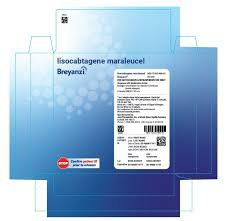
Precautions for Lisocabtagene maraleucel
In clinical studies of Lisocabtagene maraleucel, warnings and precautions such as cytokine release syndrome, neurotoxicity, allergic reactions, severe infections, long-term cytopenias, hypogammaglobulinemia, and secondary malignant tumors have emerged. It will also have a certain impact on the patient's ability to drive and use machines.
1. Cytokine release syndrome (CRS): includes fatal or life-threatening reactions. The most common manifestations include fever, hypotension, tachycardia, chills, hypoxia, and headache. Serious events that may be related to CRS include cardiac arrhythmias (including atrial fibrillation). and ventricular tachycardia), cardiac arrest, heart failure, diffuse alveolar damage, renal insufficiency, capillary leak syndrome, hypotension, hypoxia, and hemophagocytic lymphohistiocytosis/macrophage activation syndrome (HLH/MAS).
Monitor patients daily for signs and symptoms of CRS for at least 7 days after receiving lisocabetagen infusion at a REMS-certified medical facility. Monitor patients for signs or symptoms of CRS for at least 4 weeks after infusion. At the first sign of CRS, initiate treatment with supportive care, tocilizumab or tocilizumab and corticosteroids as indicated. If signs or symptoms of CRS occur at any time, patients are advised to seek immediate medical attention.
2. Neurotoxicity: Including immune effector cell-associated neurotoxic syndrome (ICANS), serious events including cerebral edema and seizures have also occurred, and cases of fatal and severe leukoencephalopathy have also occurred, some of which can be attributed to fludarabine. The most common neurotoxicities (≥5%) include encephalopathy, tremor, aphasia, headache, dizziness, and delirium. Monitor patients daily for signs and symptoms of neurotoxicity for at least 7 consecutive days following lisocabetagen infusion at a REMS-certified medical facility and evaluate for other causes of neurological symptoms. Monitor patients for signs or symptoms of neurotoxicity for at least 4 weeks after infusion and treat promptly. Control neurotoxicity with supportive care and/or corticosteroids as needed. If signs or symptoms of neurotoxicity occur at any time, advise patients to seek immediate medical attention.
3. Allergic reaction: Allergic reactions may occur after infusion of Lisocaptagen. Dimethyl sulfoxide (DMSO) may cause serious allergic reactions, including anaphylaxis.
4. Serious infections: including life-threatening or fatal infections, which may include grade 3 or above infections with unknown pathogens, bacterial infections, viral infections, fungal infections, and febrile neutropenia, which may be complicated by CRS. If febrile neutropenia occurs, evaluate for infection and manage with broad-spectrum antibiotics, fluids, and other supportive care as medically indicated. Monitor patients for signs and symptoms of infection before and after use of lisocabeta root and initiate appropriate treatment. Use prophylactic antimicrobials according to standard institutional guidelines. Avoid use of lisocabetagen in patients with clinically significant active systemic infection.
5. Long-term cytopenia: After lymphodepletion chemotherapy and lisocabetagen infusion, patients may experience cytopenia that does not resolve for several weeks. In clinical studies, 36% of LBCL patients sustained grade 3 or higher cytopenias, including thrombocytopenia, neutropenia, and anemia, on day 29 after receiving lisocabetagen infusion. Monitor complete blood counts before and after use of lisocabeta root.
6. Hypogammaglobulinemia: Patients treated with lisocabetagen may develop b-cell aplasia and hypogammaglobulinemia, which is an adverse reaction or post-infusion laboratory IgG level below 500 mg/dL.
Monitor immunoglobulin levels after treatment with lisocabbutanoland manage with infection precautions, antibiotic prophylaxis, and immunoglobulin replacement as clinically indicated. Live virus vaccination is not recommended for at least 6 weeks before starting lymphodepleting chemotherapy, during treatment with lisocabeta root, and until immunity has recovered after treatment.
7. Effects on ability to drive and use machines: Due to potential neurological events, including changes in mental status or seizures, patients treated with lisocabetagen are at risk for altered or reduced consciousness or impaired coordination for up to 8 weeks after use of the drug. Patients are advised not to drive and engage in hazardous occupations or activities, such as operating heavy or potentially hazardous machinery, for at least 8 weeks.
Since Lisocaptagen has been on the market for a short time, there may be less information on its price and other related information.
[ 免责声明 ] 本页面内容来自公开渠道(如FDA官网、Drugs官网、原研药厂官网等),仅供持有医疗专业资质的人员用于医学药学研究参考,不构成任何治疗建议或药品推荐。所涉药品可能未在中国大陆获批上市,不适用于中国境内销售和使用。如需治疗,请咨询正规医疗机构。本站不提供药品销售或代购服务。


