
.jpeg)
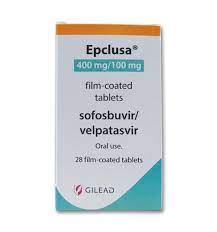
Epclusa latest Chinese manual
Indications: For the treatment of chronic hepatitis C in adults and children over 3 years of age (dose is based on body weight). It is sometimes used in combination with another antiviral drug, Ribavirin, also in patients with advanced cirrhosis. Treats specific genotypes of hepatitis C and is only effective in specific people. Also sometimes used for people with HIV. This medicine is not used to treat HIV or AIDS.
Mechanism of action: By inhibiting the activity of RNA-dependent RNA polymerase of hepatitis C virus, thereby inhibiting the replication and spread of the virus. Specifically, the active substances sofosbuvir and velpatasvir in G3D respectively block two proteins necessary for the reproduction of the hepatitis C virus. Sofosbuvir is an NS5B polymerase inhibitor that acts on the nucleotide analog NS5B polymerase site of viral RNA replication and can halt viral replication. Velpatasvir targets and blocks the protein "NS5A". By blocking these proteins, Gisanda prevents the hepatitis C virus from multiplying and infecting new cells.
Dosage: The recommended dose for adults is one 400 mg/100 mg tablet once daily, with or without food. Recommended dosage for pediatric patients 3 years of age and older is based on body weight
Side effects:
1. Common side effects of Jisandai include fatigue, headache, rash, throat discomfort, nausea and vomiting, etc. These adverse reactions are generally mild and can be tolerated by patients.
2. Some patients may experience uncomfortable symptoms such as headache, fatigue, nausea, insomnia, etc. after taking it. In severe cases, anemia and diarrhea may occur, but this generally does not affect continued use. Usually, symptoms can resolve on their own after stopping the medication for a period of time without causing serious harm to the body.
3. It should be noted that people who are allergic to Jisandai may develop symptoms such as rash and itchy skin after taking it.
Warnings and precautions:
1. Patients who are allergic to this drug or its ingredients. If the patient is allergic to any of the ingredients in Jisandai, use should be avoided to avoid allergic reactions.
2. Patients with severe renal impairment should also use Jisandai with caution. If kidney function is severely impaired, your doctor may advise you to adjust your dose or choose other treatments to avoid further damage to your kidneys.
3. Jisandai is not recommended for pregnant women. Relevant studies have shown that the use of Jisandai by pregnant women may have adverse effects on the fetus, such as developmental defects. If you are pregnant or planning to become pregnant, your doctor should be informed and they will be able to offer you other treatment options.

Drug Interactions: GIS3 should not be used with the following drugs because they may reduce the levels of sofosbuvir and velpatasvir in the blood, thereby reducing the efficacy of GIS: rifampicin, rifabutin (antibiotics); carbamazepine, phenobarbital, phenytoin (drugs to treat epilepsy); Hypericum perforatum (an herbal preparation used to treat depression and anxiety).
Medication for special groups: Pregnant women, lactating women and those with severe renal insufficiency should use medication with caution.
The third generation of Ji is currently on the market in China and has been included in medical insurance, with prices ranging from 2,000 to 5,000 yuan. The third-generation generic drug of Jilin has been approved for marketing in Bangladesh, India and Laos. Its pharmaceutical ingredients are basically the same as those of the original drug, and the price is about 1,000 yuan.
[ 免责声明 ] 本页面内容来自公开渠道(如FDA官网、Drugs官网、原研药厂官网等),仅供持有医疗专业资质的人员用于医学药学研究参考,不构成任何治疗建议或药品推荐。所涉药品可能未在中国大陆获批上市,不适用于中国境内销售和使用。如需治疗,请咨询正规医疗机构。本站不提供药品销售或代购服务。


