
.jpeg)
Dabrafenib side effects
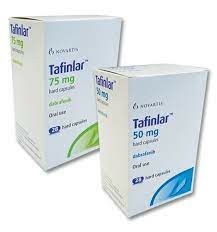
Dabrafenib (Dabrafenib) is a drug used to treat patients with BRAF Targeted drugs for malignant melanoma (MM) and non-small cell lung cancer (NSCLC) with V600E or V600K gene mutations. Although dabrafenib has shown significant efficacy in cancer treatment, patients may experience some side effects during use. Below is a detailed description of the possible side effects of dabrafenib.
1. Skin Reactions: One of the most common side effects is skin-related problems. Patients may experience symptoms such as skin eczema, itching, dryness, and scaling. In some cases, more severe skin toxicities may occur, such as drug rash, photosensitivity, and hand-foot syndrome. These reactions may affect the patient's quality of life and require close monitoring during medication and appropriate management measures, including dose adjustment or treatment suspension, as needed.
2. Fever: Fever is one of the common adverse reactions during dabrafenib treatment. Patients may experience low-grade fever or high fever. Fever usually occurs within the first few weeks after treatment begins, but may occur at any time during treatment. Doctors may advise patients to check their temperature regularly and seek prompt medical advice if they develop a fever.
3. Fatigue: Fatigue is one of the common adverse reactions during dabrafenib treatment. Patients may feel tired and weak, which affects daily activities. While experiencing fatigue, patients may need to adjust their daily activity plans and ensure they get adequate rest and sleep.
4. Headache: Headache is another possible adverse reaction. Patients may experience mild to moderate headaches, which are usually short-lived but may require physician intervention in some cases. If headache persists or worsens, patients should notify their doctor promptly.
5. Anorexia and weight loss: Some patients may experience anorexia and weight loss while taking dabrafenib. This can lead to nutritional deficiencies that can affect your health. Doctors may recommend that patients take steps to maintain proper nutritional levels, including increasing calorie intake or consulting a professional nutritionist.
6. Hypertension: Dabrafenib use has been associated with the development of hypertension. Patients need to monitor their blood pressure regularly during treatment and, if necessary, take appropriate measures, such as medication or lifestyle adjustments, to maintain normal blood pressure levels.
7. Visual impairment: Some patients may experience vision-related adverse reactions, including blurred vision, light sensitivity, and decreased vision. If patients experience visual problems while taking this medication, they should notify their physician immediately so that further evaluation and management can be performed.
8. Arrhythmias: While taking dabrafenib, some patients may experience cardiac arrhythmias, including QT interval prolongation. Doctors monitor the patient's electrocardiogram and take appropriate steps to manage the arrhythmia if necessary.
9. Liver function abnormalities: Dabrafenib use may result in liver function abnormalities, including elevated aminotransferase levels. Doctors usually perform liver function tests regularly and adjust treatment plans if necessary.
10. Other adverse reactions: In addition, patients may also experience other less common adverse reactions, such as thrombocytopenia, pancreatitis, abnormal renal function, etc. These reactions need to be monitored and managed on a case-by-case basis.
During the use of dabrafenib, patients and doctors should maintain close communication, and patients should promptly report any new symptoms or discomfort so that the treatment plan can be adjusted in a timely manner. Overall, dabrafenib is an effective targeted therapy, but patients need to consider the efficacy and side effects during medication to develop an individualized treatment plan.
Dabrafenib is already on the market in China and has been included in medical insurance. Patients can buy it domestically. The price is about 10,000 yuan in China. The price is still relatively expensive. Please consult the local hospital pharmacy for specific prices. Dabrafenib, which is relatively cheap abroad, is mainly a generic drug, mainly a Laotian generic drug. The price is about two to three thousand yuan, which is much cheaper than domestic drugs. The ingredients of foreign generic drugs and domestic original drugs are basically the same.
[ 免责声明 ] 本页面内容来自公开渠道(如FDA官网、Drugs官网、原研药厂官网等),仅供持有医疗专业资质的人员用于医学药学研究参考,不构成任何治疗建议或药品推荐。所涉药品可能未在中国大陆获批上市,不适用于中国境内销售和使用。如需治疗,请咨询正规医疗机构。本站不提供药品销售或代购服务。


