
.jpeg)
The role and efficacy of Ivosidenib
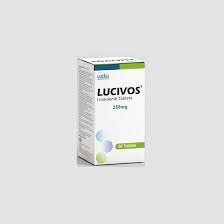
Ivosidenib (Ivosidenib) is an IDH1 inhibitor with targeted treatment for acute myeloid leukemia (AML). The following details the mechanism of action of ivonib and its clinical efficacy.
Mechanism of action:
The mechanism of action of ivonib mainly involves the specific inhibition of isocitrate dehydrogenase1 (IDH1). IDH1 is an enzyme involved in cell metabolism and assists cells in producing energy under normal circumstances. However, in some AML patients, the IDH1 gene is mutated, resulting in abnormal activation of the IDH1 enzyme.
Ivonib blocks the metabolic process in leukemia cells by specifically inhibiting the abnormal activity ofIDH1 enzyme. Specifically, it blocks the process by which the IDH1 enzyme converts isocitrate into alpha-ketoglutarate, interrupting normal metabolic pathways. Inhibition of this process is expected to slow or prevent the growth and proliferation of AML cells caused by mutations in the IDH1 gene.
Clinical efficacy:
1.AMLTreatment: The main application field of ivonib is the treatment of AML patients expressing IDH1 gene mutations. For this specific subtype of AML, ivosidenib offers a novel treatment option that targets genetic abnormalities. Studies have shown that after patients use ivonib, the abnormal proliferation of leukemia cells is controlled, thereby improving clinical symptoms and the overall survival of patients.
2.Targeted therapy: Compared with traditional chemotherapy, ivonib has a more specific effect. It slows the growth of leukemia cells by directly interfering with abnormal metabolic pathways in cancer cells, while affecting relatively few healthy cells. This makes ivonib a representative of targeted treatment strategies, providing patients with more personalized and effective treatment options.
3.Improved survival rate: Clinical trial data show that AML patients treated with ivonib have a better survival rate compared to the traditional treatment group. This indicates that ivonib has a significant clinical effect in prolonging patient survival time.
Notes and Safety:
1.Side Effect Management: Although Ivonib has milder side effects than traditional chemotherapy drugs, patients may still experience some mild discomfort such as nausea, vomiting, and fatigue. Doctors usually monitor patients closely during treatment to address any possible side effects.
2.Electrocardiogram monitoring: Because ivonib may cause electrocardiogram changes, including prolongation of the QT interval, doctors may recommend regular electrocardiogram monitoring to ensure that the patient's heart is functioning normally.
3.Liver function monitoring: The use of ivonib may lead to abnormal liver function, so the patient's liver function indicators need to be monitored regularly during treatment.
Overall, ivonib, as an innovative targeted therapy, has shown significant efficacy in AML patients expressing IDH1 gene mutations. However, patients should consult a doctor before use to ensure they understand the indications, usage and dosage of the drug, and receive regular monitoring to ensure safe and effective treatment.
Avosidenib is already on the market in China, but it has not yet been included in medical insurance. The price of Avosidenib on the domestic market is very high, reaching tens of thousands of yuan. For specific prices, please consult the local hospital pharmacy. The price of the American original drug of Ivonib abroad is as high as hundreds of thousands. Currently, there are generic drugs of Ivonib on the market, mainly Laos generic drugs, which cost about 10,000 yuan, which is much cheaper in comparison, and the ingredients of the original drug and the generic drug are basically the same.
[ 免责声明 ] 本页面内容来自公开渠道(如FDA官网、Drugs官网、原研药厂官网等),仅供持有医疗专业资质的人员用于医学药学研究参考,不构成任何治疗建议或药品推荐。所涉药品可能未在中国大陆获批上市,不适用于中国境内销售和使用。如需治疗,请咨询正规医疗机构。本站不提供药品销售或代购服务。


