
.jpeg)
The role and efficacy of Acalabrutinib
Acalabrutinib (Acalabrutinib) is a new type of oral small molecule targeted therapy drug, which belongs to the category of brutinib (BTK) inhibitors. Its main function is to interfere with the growth and survival of leukemia and lymphoma cells by selectively inhibiting the BTK enzyme in the B cell signaling pathway. The following is a detailed introduction to the mechanism of action, clinical application and potential efficacy of acotinib:
1. Mechanism of action:
The key target of acotinib is brutinib kinase (BTK). BTK is a key enzyme in the B cell receptor signaling pathway and participates in the activation and proliferation of B cells. Tumors derived from B cells such as leukemia and lymphoma usually promote cell growth and survival through abnormal activation of this signaling pathway.
Acotinib blocks the B cell signaling pathway by specifically binding to BTK and inhibiting its activity. This results in the following main effects:
Apoptosis of leukemia and lymphoma cells: The action of acotinib causes tumor cells to lose survival signals, thereby inducing apoptosis of these abnormally proliferating cells, which helps inhibit tumor growth.
Inhibiting the migration and invasion of tumor cells: Inhibition of the BTK signaling pathway can also affect the ability of cells to infiltrate and migrate, reducing the invasion of tumor cells into surrounding tissues.
Inhibition of inflammatory response: BTK activation in immune cells is also related to inflammatory response, so the use of acotinib may reduce tumor-related inflammation.
2. Indications and clinical applications:
Acotinib is mainly approved for the treatment of B cell lymphoma and other hematological malignancies. Specific indications include:
Chronic lymphocytic leukemia (CLL): Acotinib is approved as monotherapy for adult patients with untreated chronic lymphocytic leukemia and as an alternative treatment for patients with chronic lymphocytic leukemia who have failed to respond to other treatments.
Small lymphocytic lymphoma (SLL): Acotinib is also approved for the treatment of small lymphocytic lymphoma, a type of non-Hodgkin lymphoma related to CLL.
3. Clinical efficacy and safety:
The clinical efficacy of acotinib has been supported by multiple clinical trials. Studies have shown that acotinib demonstrated significant survival prolongation and disease remission in patients with chronic lymphocytic leukemia and small lymphocytic lymphoma. Acotinib generally displays less toxic side effects than traditional chemotherapy drugs, making it a relatively safe and well-tolerated treatment option.
However, like any drug, acotinib may cause some adverse reactions, including high blood pressure, headache, myalgia, etc. Patients should be closely monitored during use and their treatment plan adjusted according to their doctor's recommendations.
4. Future development direction:
As a new type of targeted therapy, acotinib represents an innovative direction in the field of tumor treatment. Future studies may further explore the use of acotinib in other types of lymphomas and leukemias, as well as in combination with other treatments to improve treatment effectiveness. In addition, the potential role of acotinib in the treatment of other cancer types and clinical diseases will also be an important direction for future research.
In summary, acotinib, as a BTK inhibitor, has achieved significant efficacy in the treatment of specific hematological malignancies by interfering with the B cell signaling pathway. However, when using acotinib, doctors still need to formulate individualized treatment plans based on the patient's specific conditions and closely monitor the patient's treatment response and adverse reactions to ensure the best treatment effect.
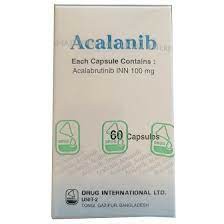
Acotinib has been launched in China, but it has not yet been included in medical insurance. Since it has just been launched, it is still difficult for patients to purchase it domestically. They need to purchase acotinib through overseas channels. The cheaper ones abroad are mainly generic drugs, mainly Bangladeshi generic drugs. The price is around 6,000 to 7,000, and the ingredients of original drugs and generic drugs are basically the same.
[ 免责声明 ] 本页面内容来自公开渠道(如FDA官网、Drugs官网、原研药厂官网等),仅供持有医疗专业资质的人员用于医学药学研究参考,不构成任何治疗建议或药品推荐。所涉药品可能未在中国大陆获批上市,不适用于中国境内销售和使用。如需治疗,请咨询正规医疗机构。本站不提供药品销售或代购服务。


