
.jpeg)
The difference between Acalabrutinib and Ibrutinib
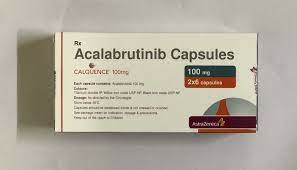
Acalabrutinib (Acalabrutinib) and ibrutinib (Ibrutinib) are two targeted drugs used to treat B cell malignancies and are BTK (brutinib) inhibitors. Despite their mechanistic similarities, there are some significant differences in molecular structure, selectivity, pharmacokinetics, clinical application, and side effects.
1. Molecular structure and chemical properties:
Acotinib: is a second-generation BTK inhibitor that is highly selective and inhibits the abnormal activities of B cells by binding to the cysteine site of BTK.
Ibrutinib: is a first-generation BTK inhibitor that inhibits the signaling of B cells by binding to the cysteine site of BTK. Ibrutinib is less selective than acotinib and may affect other related tyrosine kinases.
2. Selectivity and affinity:
Acotinib: Compared with ibrutinib, acotinib has higher selectivity, more accurately interferes with the signaling channels of cancer cells, and reduces the adverse effects on normal cells.
Ibrutinib: Although it also has affinity for BTK, its selectivity is lower than acotinib and may have a certain impact on other tyrosine kinases.
3. Pharmacokinetics:
Acotinib: Has a relatively short half-life in the body and requires two or more daily doses.
Ibrutinib: In contrast, ibrutinib has a longer half-life, and therapeutic effects can usually be maintained with once-daily dosing.
4. Clinical studies and indications:
Acotinib: Currently approved for the treatment of chronic lymphocytic leukemia (CLL) and small lymphocytic lymphoma (SLL).
Ibrutinib: It is also approved for the treatment of chronic lymphocytic leukemia (CLL) and small lymphocytic lymphoma (SLL), and has had positive research results in the treatment of several other B cell malignancies.
5. Adverse reactions and tolerability:
Acotinib: In clinical trials, acotinib showed relatively good tolerability, with common adverse reactions including headache, hypertension and bleeding.
Ibrutinib: Ibrutinib may cause some adverse reactions, such as bleeding, hypertension, joint pain, etc., some of which may be related to its inhibitory effect on other kinases.
6. Medication plan:
Acotinib: Usually administered twice daily, clinically recommended to be taken after meals.
Ibrutinib: Usually given once daily, it can also be taken before or after a meal.
7. Considerations for special groups:
Acotinib: Dosage adjustments may be necessary in elderly patients and patients with hepatic impairment.
Ibrutinib: Safety and efficacy in older patients have been established, but dose adjustments may be necessary in some circumstances.
Overall, although acotinib and ibrutinib both show good efficacy in the treatment ofB cell malignancies, they have some differences in molecular structure, selectivity, and pharmacokinetics. When patients choose which drug to use, they should make decisions based on their individual condition, drug characteristics, and doctor's recommendations. The doctor will develop the most appropriate treatment plan based on the patient's specific situation to ensure that the patient can obtain the best treatment effect.
Acotinib has been launched in China, but it has not yet been included in medical insurance. Since it has just been launched, it is still difficult for patients to purchase it domestically. They need to purchase acotinib through overseas channels. The cheaper ones abroad are mainly generic drugs, mainly Bangladeshi generic drugs. The price is around 6,000 to 7,000, and the ingredients of original drugs and generic drugs are basically the same.
[ 免责声明 ] 本页面内容来自公开渠道(如FDA官网、Drugs官网、原研药厂官网等),仅供持有医疗专业资质的人员用于医学药学研究参考,不构成任何治疗建议或药品推荐。所涉药品可能未在中国大陆获批上市,不适用于中国境内销售和使用。如需治疗,请咨询正规医疗机构。本站不提供药品销售或代购服务。


