
.jpeg)
What are the precautions for taking Semaglutide?
In clinical studies of Semaglutide tablets (Semaglutide), warnings and precautions have emerged regarding the risk of thyroid C-cell tumors, pancreatitis, complications of diabetic retinopathy, hypoglycemia with concomitant use of insulin secretagogues or insulin, acute kidney injury, hypersensitivity reactions, and acute gallbladder disease. Discontinue and resume at a reduced dose upon recovery, or permanently discontinue semaglutide based on severity.
1. Risk of ThyroidC-cell tumors (MTC): In mice and rats, semaglutide caused a dose-dependent and treatment duration-dependent increase in the incidence of thyroidC-cell tumors (adenomas and carcinomas) after lifetime clinically relevant plasma exposure. Semaglutide tablets are contraindicated in patients with a personal or family history of MTC or in patients with MEN 2. Counsel patients about the potential risks of MTC using semaglutide tablets and inform them of symptoms of thyroid tumors (eg, neck mass, dysphagia, dyspnea, persistent hoarseness).
Another GLP-1 receptor agonist, liraglutide, has experienced post-marketing cases of MTC. The value of routine monitoring of serum calcitonin or the use of thyroid ultrasound for the early detection of MTC in patients treated with semaglutide tablets is uncertain. Because of the low specificity of serum calcitonin testing and the high background incidence of thyroid disease, this monitoring may increase the risk of unnecessary surgery. Significantly elevated serum calcitonin values u200bu200bmay indicate MTC, and calcitonin levels in patients with MTC are usually >50 ng/L. If serum calcitonin is measured and found to be elevated, the patient should be evaluated further. Patients with thyroid nodules identified on physical examination or neck imaging should also undergo further evaluation.
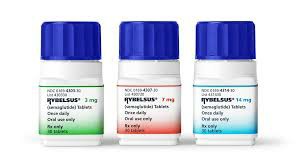
2. Pancreatitis: Pancreatitis was reported as a serious adverse event in glycemic control trials. After starting semaglutide, watch patients carefully for signs and symptoms of pancreatitis (including persistent, severe abdominal pain that sometimes radiates to the back, which may or may not be accompanied by vomiting). If pancreatitis is suspected, semaglutide should be discontinued and appropriate management initiated; if confirmed, semaglutide should not be restarted.
3. Complications of diabetic retinopathy: Rapid improvements in glycemic control are associated with temporary worsening of diabetic retinopathy. The effect of long-term use of semaglutide tablets to control blood sugar on complications of diabetic retinopathy has not been studied. Patients with a history of diabetic retinopathy should be monitored for the progression of diabetic retinopathy.
4. Hypoglycemia with concomitant use of insulin secretagogues or insulin: Patients receiving combined treatment with semaglutide tablets and insulin secretagogues (such as sulfonylureas) or insulin may have an increased risk of hypoglycemia, including severe hypoglycemia. The risk of hypoglycemia can be reduced by reducing the dose of sulfonylurea (or other concomitantly administered insulin secretagogue) or insulin. Inform patients taking these concomitant medications of the risk of hypoglycemia and educate them about the signs and symptoms of hypoglycemia.
5. Acute kidney injury: There are post-marketing reports of worsening of acute kidney injury and chronic renal failure in patients treated with GLP-1 receptor agonists (including semaglutide tablets), which may sometimes require hemodialysis. Some of these events have been reported in patients without known underlying kidney disease. Most reported events occurred in patients who experienced nausea, vomiting, diarrhea, or dehydration. Monitor renal function when initiating or increasing the dose of semaglutide tablets in patients who report serious gastrointestinal adverse reactions.
6. Hypersensitivity reactions: It has been reported that patients receiving semaglutide tablets have experienced severe hypersensitivity reactions (such as anaphylaxis, angioedema). If a hypersensitivity reaction occurs, discontinue use of Semaglutide Tablets; treat promptly according to standard of care, and monitor until symptoms and signs disappear. Semaglutide tablets are contraindicated in patients with a history of severe hypersensitivity reaction to Semaglutide or any of its excipients. Allergic reactions and angioedema have been reported to GLP-1 receptor agonists. Use with caution in patients with a history of angioedema or hypersensitivity to another GLP-1 receptor agonist.
7. Acute gallbladder disease:Acute events of gallbladder disease, such as gallstones or cholecystitis, have been reported in trials and postmarketing of GLP-1 receptor agonists. In placebo-controlled trials, 1% of patients treated with semaglutide 7 mg tablets developed gallstones. 14mgNo patients treated with semaglutide tablets or placebo developed gallstones. If gallstones are suspected, a gallbladder study should be performed with appropriate clinical follow-up.
[ 免责声明 ] 本页面内容来自公开渠道(如FDA官网、Drugs官网、原研药厂官网等),仅供持有医疗专业资质的人员用于医学药学研究参考,不构成任何治疗建议或药品推荐。所涉药品可能未在中国大陆获批上市,不适用于中国境内销售和使用。如需治疗,请咨询正规医疗机构。本站不提供药品销售或代购服务。


