
.jpeg)
Adverse reactions of Axitinib
Axitinib (Axitinib) is a targeted therapy drug used to treat renal cell carcinoma and belongs to a class of tyrosine kinase inhibitors. It blocks the blood supply to tumors by inhibiting the vascular endothelial growth factor receptor (VEGFR), thereby slowing the growth and spread of tumors. Although axitinib has shown certain efficacy in the treatment of renal cell carcinoma, patients may experience a series of adverse reactions during use.
First, axitinib may cause digestive discomfort. Patients may experience nausea, vomiting, diarrhea and other gastrointestinal symptoms. These symptoms may be more noticeable early in treatment but usually lessen over time. During this process, doctors usually advise patients to take some measures, such as eating in portions and avoiding spicy foods, to alleviate these uncomfortable symptoms.
Secondly, axitinib may have an impact on hypertension. This is because axitinib increases blood pressure by slowing blood flow to tumors by inhibiting vascular endothelial growth factor receptors. Patients need to monitor their blood pressure regularly while taking the medication and take measures to control it if necessary. This may include lifestyle modifications such as limiting salt intake, increasing exercise, or using antihypertensive medications.
Third, axitinib may cause hand-foot syndrome, a drug-related side effect characterized by redness, swelling, pain and other symptoms in the hands and feet. This may have an impact on the patient's quality of life, as the symptoms may make normal daily activities difficult. Doctors may recommend that patients take some measures to relieve symptoms, such as keeping the affected area clean and using warm water to soak their feet.
In addition, axitinib may also have certain adverse effects on the blood system, including reducing the number of platelets and white blood cells. This can leave patients prone to congestion and infection. Therefore, during the use of axitinib, doctors usually monitor the patient's blood routine and, if necessary, take corresponding treatment measures, such as blood transfusions or the use of growth factors to increase the number of platelets and white blood cells.
In addition, patients may also experience a series of other uncomfortable symptoms while using axitinib, such as fatigue, headache, joint pain, etc. These symptoms usually appear early in treatment and gradually decrease over time. However, if the patient feels that the symptoms are too severe or last too long, they should report it to the doctor in time so that the treatment plan can be adjusted or corresponding support measures can be provided.
Close collaboration between patient and doctor is important when using axitinib or other anticancer drugs. Patients need to undergo regular physical examinations and monitoring, and promptly report any symptoms of discomfort so that doctors can adjust treatment plans in a timely manner. At the same time, doctors also need to fully understand the patient's condition and physical condition in order to tailor the most appropriate treatment plan and minimize the occurrence and impact of adverse reactions. During treatment, patients should also maintain a good lifestyle, including a reasonable diet, moderate exercise and adequate rest, to enhance the body's resistance and improve the effectiveness of treatment.
In general, although axitinib, as a targeted therapy drug, has achieved certain results in the treatment of renal cell carcinoma, its use may also be accompanied by a series of adverse reactions. Understanding these adverse reactions and taking corresponding preventive and treatment measures in a timely manner are of great significance to maximizing the treatment effect and improving the patient's quality of life. Therefore, effective communication and close collaboration between patients and physicians is crucial during the use of axitinib to ensure the smooth progress of treatment and the overall health of the patient.
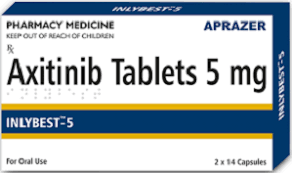
Axitinib has been launched in China and has been included in medical insurance. Patients can purchase it domestically. The price of 5mg*28 tablets is about 5,000 to 6,000 yuan. For specific prices, please consult the local hospital pharmacy. There are original and generic axitinib drugs abroad. The original drug is Pfizer's original drug, and the price is about 6,000 yuan; the generic drugs are mainly Bangladeshi generics and Indian generics. The price of Bangladeshi generics in 5mg*60 tablets is more than 1,000 yuan, and the price of Indian generics is around a few hundred yuan. The ingredients of original drugs and generic drugs are basically the same.
[ 免责声明 ] 本页面内容来自公开渠道(如FDA官网、Drugs官网、原研药厂官网等),仅供持有医疗专业资质的人员用于医学药学研究参考,不构成任何治疗建议或药品推荐。所涉药品可能未在中国大陆获批上市,不适用于中国境内销售和使用。如需治疗,请咨询正规医疗机构。本站不提供药品销售或代购服务。


