
.jpeg)
Axitinib combined with PD1 in the treatment of renal metastasis cancer
The therapeutic strategy of combining axitinib (Axitinib) and PD-1/PD-L1 immune checkpoint inhibitors has received widespread attention in clinical studies of advanced renal cell carcinoma (RCC). This combination therapy is designed to increase therapeutic efficacy by targeting angiogenesis and enhancing the effects of the immune system.
1.The role of axitinib: Axitinib is a targeted inhibitor that blocks angiogenesis and slows down tumor growth mainly by inhibiting vascular endothelial growth factor receptor (VEGFR). At the same time, axitinib may also enhance the attack of immune cells on tumors by regulating the response of the immune system.
2.PD-1/PD-L1The role of inhibitors: PD-1 and PD-L1 are immune checkpoint molecules, which play an important negative regulatory role in regulating the immune system. Tumor cells can evade attack by the immune system through overexpression of PD-L1. PD-1/PD-L1The role of inhibitors is to block this negative regulation, activate the immune system, and enhance the ability to attack tumor cells.
3.Theoretical basis for combination therapy: The theoretical basis for the combined use of axitinib and PD-1/PD-L1 inhibitors lies in the complementary effects of the two. Axitinib provides a better infiltrating environment for immune cells by targeting angiogenesis and inhibiting tumor growth. And PD-1/PD-L1 inhibitors activate the immune system, allowing immune cells to better recognize and attack tumor cells.
4.Clinical trial results: Several clinical trials have explored the use of axitinib in combination with PD-1/PD-L1inhibitors in advanced renal cell carcinoma. Results from these trials suggest that combination therapy may be more effective than monotherapy in improving patient survival, relieving disease, and increasing immune cell infiltration.
5.Side effects and tolerance: Combined treatment may be associated with more side effects, so the patient's physical condition needs to be monitored more closely during treatment. Among them, possible side effects include high blood pressure, fatigue, hand-foot syndrome, etc.
Overall, the therapeutic strategy of axitinib combined withPD-1/PD-L1 inhibitors shows potential advantages in the treatment of advanced renal cell carcinoma. However, specific treatment plans should be formulated based on the patient's individual situation and pathological characteristics and carried out under the supervision of a professional medical team. This also emphasizes the importance of individualized treatment and close monitoring in combination therapy.
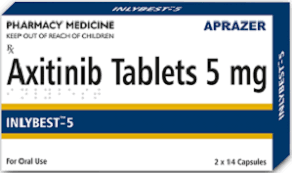
Axitinib has been launched in China and has been included in medical insurance. Patients can purchase it domestically. The price of 5mg*28 tablets is about 5,000 to 6,000 yuan. For specific prices, please consult the local hospital pharmacy. There are original and generic axitinib drugs abroad. The original drug is Pfizer's original drug, and the price is about 6,000 yuan; the generic drugs are mainly Bangladeshi generics and Indian generics. The price of Bangladeshi generics in 5mg*60 tablets is more than 1,000 yuan, and the price of Indian generics is around a few hundred yuan. The ingredients of original drugs and generic drugs are basically the same.
[ 免责声明 ] 本页面内容来自公开渠道(如FDA官网、Drugs官网、原研药厂官网等),仅供持有医疗专业资质的人员用于医学药学研究参考,不构成任何治疗建议或药品推荐。所涉药品可能未在中国大陆获批上市,不适用于中国境内销售和使用。如需治疗,请咨询正规医疗机构。本站不提供药品销售或代购服务。


