
.jpeg)
What are the side effects of Sotorasib?
Sotorasib (Sotorasib) is a new anti-cancer drug, and its use may be accompanied by a series of side effects. Although this drug works against KRAS G12C mutations and has shown significant efficacy in some patients with advanced or metastatic non-small cell lung cancer (NSCLC), patients need to fully understand and pay attention to potential adverse reactions during use. Here are some of the main side effects that may occur with sotorasiib:
1. Pulmonary problems: Some patients may experience respiratory problems after using sotoraxib, including difficulty breathing, coughing, shortness of breath, etc. This may reflect a certain impact of the drug on the respiratory system, and patients should report to their doctor promptly when these symptoms occur.
2. Skin reactions: During the use of sotoracib, it may cause a series of skin-related adverse reactions, such as rash, itching, dryness, desquamation, etc. These skin problems may affect the patient's quality of life, so pay attention to them during use and report them to the doctor in time.
3. Nausea and Vomiting: Some patients may experience gastrointestinal problems, including nausea and vomiting, after using sotoraxib. This may lead to loss of appetite, which may affect the patient's nutritional intake. In this case, the doctor may take appropriate measures to relieve these uncomfortable symptoms.
4. Abnormal liver function: Abnormal liver function may occur during the use of sotoraxib, manifested by elevated liver enzyme levels. Doctors will regularly monitor the patient's liver function to ensure that the patient maintains good liver function while taking the medication.
5. Fatigue: Patients taking sotorasiib may experience fatigue, which may have a certain impact on daily activities and life. Patients should take timely rest when they feel unusually tired and report symptoms to their doctor so that an appropriate management plan can be developed.
6. Anemia: Drugs may cause anemia in patients, manifesting as fatigue, weakness and other symptoms. Doctors monitor the patient's blood status and intervene accordingly if necessary.
7. Hypertension: Some patients may experience an increase in blood pressure after using sotoraxib. Doctors may monitor a patient's blood pressure and make adjustments or intervene with medications as needed.
8. Hyperglycemia: The use of sotoraxib may cause an increase in blood sugar levels in patients, especially in patients with diabetes mellitus. Doctors may need to adjust a patient's medication regimen.
9. Gastrointestinal bleeding: In some cases, patients may experience the adverse reaction of gastrointestinal bleeding. This may manifest as melena, vomiting blood and other symptoms, which are serious adverse reactions and patients should seek medical help immediately.
10. Other uncomfortable symptoms: The use of sotoraxibu may also be accompanied by other uncomfortable symptoms, such as dizziness, joint pain, muscle pain, etc. Patients should maintain close communication with their doctors during use and report any abnormal symptoms in a timely manner.
During the use of sotoraxib, patients require regular clinical monitoring to ensure early detection and prompt management of any potential adverse reactions. Patients should closely follow their doctor's advice and not change medication dosages or interrupt treatment without authorization. Doctors will develop a personalized treatment plan based on the patient's specific situation to minimize side effects and ensure safe and effective use of the drug.
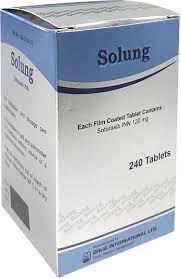
The original drug of sotorasibu has not yet been launched in China, so patients cannot purchase it domestically and need to purchase sotorasibu through overseas channels. The price of the original version of sotorasibu in Hong Kong, China, with the specifications of 120mg*240 tablets, is around 8 million, and the price of the European version of the original drug with the same specifications is around 4 million, which is relatively expensive. The cheaper ones are the generic drugs marketed abroad. For example, the price of generic drugs in Laos and Bangladesh is around two to three thousand yuan. The price is relatively cheap, and the ingredients of foreign generic drugs are basically the same as the original drugs.
[ 免责声明 ] 本页面内容来自公开渠道(如FDA官网、Drugs官网、原研药厂官网等),仅供持有医疗专业资质的人员用于医学药学研究参考,不构成任何治疗建议或药品推荐。所涉药品可能未在中国大陆获批上市,不适用于中国境内销售和使用。如需治疗,请咨询正规医疗机构。本站不提供药品销售或代购服务。


