
.jpeg)
In ALK-positive non-small cell lung cancer, brigatinib/brigatinib is not superior to aletinib
Based on findings from the phase 3 ALTA-3 study (NCT03596866), progression-free survival (PFS) outcomes with brigatinib/brigatinib were not superior to those with alectinib (Alecensa) in patients with ALK-positive non-small cell lung cancer (NSCLC) pretreated with crizotinib (Xalkori). Although brigatinib was not superior to alectinib in terms of survival, safety data were consistent between the two.
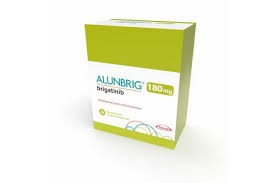
In the open-label, ALTA-3 study, researchers evaluated the efficacy and safety of brigatinib compared with alectinib in patients with ALK-positive non-small cell lung cancer after disease progression on crizotinib. The trial randomized patients in a 1:1 ratio to receive brigatinib 180 mg once daily (7-day run-in period, 90 mg) or aletinib 600 mg twice daily. Investigators aim to test superiority. The primary endpoint of the study was PFS as assessed by a blinded independent review committee (BIRC). Secondary endpoints of the study include overall survival (OS), PFS, objective response rate (ORR), duration of response (DOR), time to response as assessed by BIRC, intracranial ORR, intracranial DOR, time to intracranial disease progression, and health-related quality of life.
Patients eligible to participate in this study are 18 years old and above, with stage IIIB or IV non-small cell lung cancer confirmed by histology or cytology, and accompanied by ALK rearrangement. Tumor samples may be provided to the central laboratory by a positive result with the Vysis ALK Fragmented Fluorescent In Situ Hybridization Probe Kit or the Ventana ALK (D5F3) CDx Assay or Foundation Medicine's FoundationOne CDx Assay or by a different test. Patients must have progressive disease while taking crizotinib, receive crizotinib for at least 4 weeks before disease progression, not take other ALK inhibitors except crizotinib, and have received no more than 2 previous systemic anti-cancer treatment regimens. Additionally, according to RECIST v1.1, patients must have at least 1 measurable lesion, have recovered from toxicities associated with prior anticancer treatment, have adequate organ function, and have venous access suitable for blood sampling required for the study.
A total of248 subjects participated in the study, of which 125 received brigatinib and 123 received aletinib. The median duration of prior crizotinib treatment was 16.0-16.8 months. Patients had circulating tumor DNA (CT DNA; 34%) at baseline. The results of the study showed that the median BIRC-assessed PFS in the brigatinib group was 19.3 months, while that in the alectinib group was 19.2 months (HR, 0.97; 95% CI, 0.66-1.42; P =.8672]), and the study met the ineffectiveness criterion. At this time, the OS data is immature, with 41 events (17%).
Looking at exploratory analyzes between treatment groups, at baseline, the median PFS for patients with a ctDNA-detectable ALK fusion was 11.1, compared with 22.5 months for patients without a ctDNA-detectable ALK fusion (HR, 0.48; 95% CI, 0.32-0.71). In addition, safety data showed that more than 30% of patients treated with brigatinib or alectinib experienced treatment-related adverse events, including increases in blood creatine phosphokinase (70% vs. 29%), aspartate aminotransferase (53% vs. 38%), and alanine aminotransferase (40% vs. 36%).
[ 免责声明 ] 本页面内容来自公开渠道(如FDA官网、Drugs官网、原研药厂官网等),仅供持有医疗专业资质的人员用于医学药学研究参考,不构成任何治疗建议或药品推荐。所涉药品可能未在中国大陆获批上市,不适用于中国境内销售和使用。如需治疗,请咨询正规医疗机构。本站不提供药品销售或代购服务。


