
.jpeg)
ALTA-1 trial of brigatinib in ALK-adapted non-small cell lung cancer
Similar toThe ALEX study used a similar comparison group. Brigatinib/Brigatinib started at 90mg and then increased to 180mg, compared with crizotinib. An improvement in progression-free survival (PFS) was observed; the hazard ratio was 0.48 (95% CI, 0.35-0.66; P < .0001); the Kaplan-Meier curve was considered to be very similar to that of the ALEX trial.
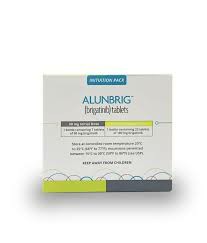
If you look at brain metastases at baseline, this group of patients seemed to get a significant benefit from treatment with brigatinib versus crizotinib. If we look at intracranial PFS in those patients with brain metastases, the number of these patients is small, but the HR is 0.29 [95% CI, 0.17-0.51; P<.0001]. For those taking brigatinib and crizotinib, median PFS was 2 years [5.6 months, respectively]. So, essentially, if a patient treated with brigatinib has brain metastases at baseline, the brain metastases are controllable nearly 2 years before treatment.
The objective response rate (ORR) of brigatinib was 74%, while that of crizotinib was only 62% [OR, 1.73; 95% CI, 1.04-2.88; P=.0342]. The brain ORRs of brigatiniband crizotinib were 78% and 26% respectively [OR, 11.67; 95%CI, 2.15-63.27; P=.00014]. For brigatinibadverse events (AEs), some creatine phosphokinase elevations and liver function test (LFT) abnormalities were observed.
[ 免责声明 ] 本页面内容来自公开渠道(如FDA官网、Drugs官网、原研药厂官网等),仅供持有医疗专业资质的人员用于医学药学研究参考,不构成任何治疗建议或药品推荐。所涉药品可能未在中国大陆获批上市,不适用于中国境内销售和使用。如需治疗,请咨询正规医疗机构。本站不提供药品销售或代购服务。


