
.jpeg)
MARIPOSA: amivantamab plus lazertinib vs osimertinib
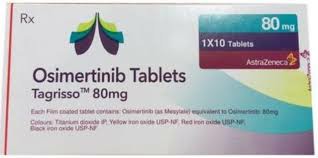
In theMARIPOSA trial, amivantamab plus lazertinib significantly improved progression-free survival (PFS) compared with osimertinib monotherapy in patients with previously untreated advanced EGFR-mutated non-small cell lung cancer. The trial (ClinicalTrials.gov identifier: NCT04487080) enrolled 1,074 patients with treatment-naïve, EGFR-mutated, locally advanced or metastatic NSCLC. Patients were randomly assigned to receive evantumumab plus lazertinib (n=429), osimertinib alone (n=429), or lacertinib alone (n=216). The median follow-up time was 22.0 months. The primary endpoint of the study is PFS by blinded independent central review (BICR).
Evantumumab plusThe median PFS was 23.7 months in the lazertinib group and 16.6 months in the osimertinib group (hazard ratio [HR], 0.70; 95% CI, 0.58-0.85; P<0.001). The 12-month PFS rates were 73% and 65%, respectively. The 24-month PFS rates were 48% and 34%, respectively. Extracranial median PFS was 27.5 months in the evantumumab plus lazertinib group and 18.5 months in the osimertinib group (HR, 0.68; 95% CI, 0.56-0.83; P<0.001). Extracranial PFS rates at 24 months were 53% and 38%, respectively. The overall response rate (ORR) of evantumumab combined with lazertinib was 86%, and that of osimertinib was 85%. The median duration of response was 25.8 months and 16.8 months, respectively.
The 24-month PFS rate (PFS2) after the first subsequent treatment was 72% in the evantumumab plus lazertinib group and 64% in the osimertinib group (HR, 0.75; 95% CI, 0.58-0.98; P=0.03). Overall survival (OS) data are immature, but there are trends suggesting that evantuzumab combined with lazertinib can improve OS. The 24-month OS rate was 74% in the evantumumab plus lazertinib group and 69% in the osimertinib group (HR, 0.80; 95% CI, 0.61-1.05; P=0.11). These results suggest that evantuzumab plus lazertinib represents a new standard of first-line treatment for patients with advanced EGFR-mutant NSCLC.
However,Treatment-emergent adverse events (AEs) of grade 3 or higher were more common in the evantumumab-lazertinib group than in the osimertinib group, 75% versus 43%, respectively. Treatment-related adverse events leading to discontinuation occurred in 10% of the combination group and 3% of the osimertinib group. Diarrhea was more frequent in patients treated with osimertinib, but paronychia, rash, and hypoalbuminemia were more common in patients treated with evantuzumab plus lazertinib. The adverse event of particular interest was venous thromboembolism (VTE), which occurred in 37% of patients in the evantuzumab-lazartinib group and 9% of patients in the osimertinib group. The rate of treatment discontinuation due to VTE was 3% in the combination group and 0.5% in the osimertinib group.
During the study, only 1% of patients in the evantumumab-lacertinib group and no such patients in the osimertinib group were taking anticoagulants, and most VTE occurred within the first 4 months of treatment.
[ 免责声明 ] 本页面内容来自公开渠道(如FDA官网、Drugs官网、原研药厂官网等),仅供持有医疗专业资质的人员用于医学药学研究参考,不构成任何治疗建议或药品推荐。所涉药品可能未在中国大陆获批上市,不适用于中国境内销售和使用。如需治疗,请咨询正规医疗机构。本站不提供药品销售或代购服务。


