
.jpeg)
How effective is Lorlatinib/lorlatinib?
Lorlatinib/Lorlatinib is a kinase inhibitor used to treat adult patients with metastatic non-small cell lung cancer (NSCLC) ALK mutations. Lorlatinib is a third-generation targeted drug that is effective in the treatment of lung cancer.
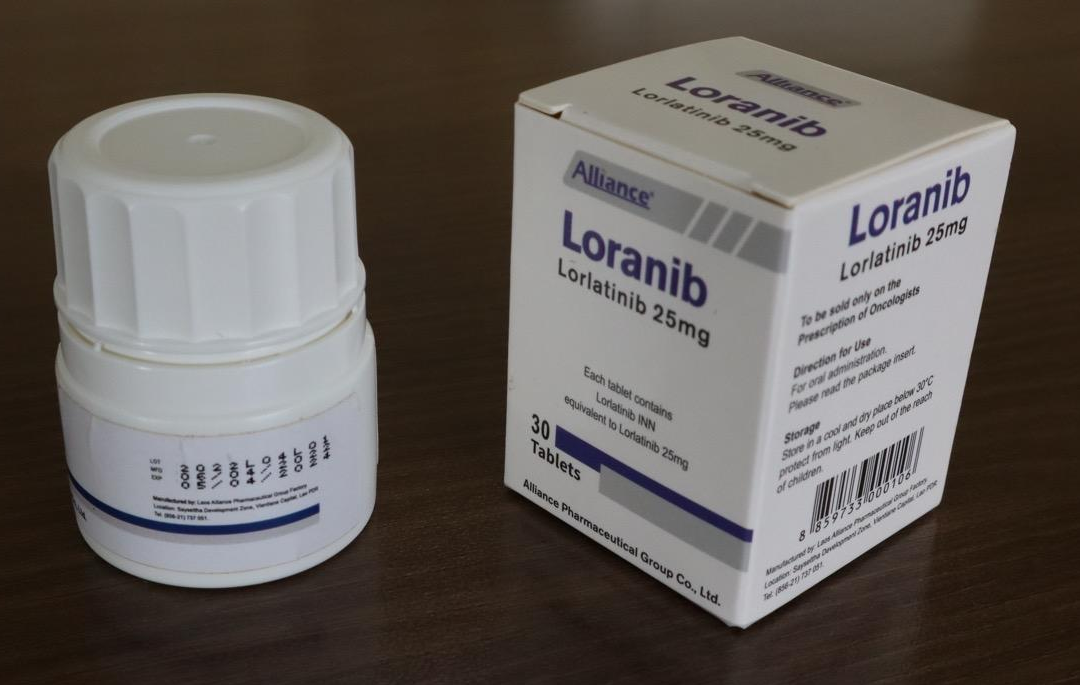
A global, randomized, Phase 3 clinical trial compared lorlatinib with crizotinib in 296 patients with advanced ALK-positive non-small cell lung cancer who had not received prior systemic therapy for metastatic disease. The primary endpoint was progression-free survival assessed by blinded independent central review. Secondary endpoints included independently assessed objective response and intracranial response. An interim analysis of efficacy is planned after approximately 133 (75%) of the 177 expected disease progression or deaths have occurred. The percentage of patients alive without progression at 12 months was 78% in the lorlatinib group (95% confidence interval[CI], 70-84) in the crizotinib group (95% CI, 30-48) (The hazard ratio for disease progression or death is 0.28; 95% pan>The confidence interval is 0.19 to 0.41; P<0.001). Objective response was achieved in 76% (95% confidence interval, 68-83) of patients in the lorlatinib group and 58% in the crizotinib group (95% confidence interval, 49-66) patients experienced an objective response; among patients with measurable brain metastases, 82% (95% confidence interval, 57-96) and 23%, respectively (95%confidence interval 5-54)of patients experienced intracranial reactions,71%Complete intracranial response occurred in lorlatinib-treated patients. The most common adverse events with lorlatinib were hyperlipidemia, edema, weight gain, peripheral neuropathy, and cognitive effects. Compared with crizotinib, lorlatinib was associated with more grade 3 or grade 4 adverse events(mainly changes in blood lipid levels)correlation(72% and 56% respectively). 7% and 9% of patients discontinued treatment due to adverse events, respectively. In an analysis of interim results in patients with previously untreated advanced ALK-positive non-small cell lung cancer, patients treated with lorlatinib had significantly longer progression-free survival and a higher frequency of intracranial responses than those treated with crizotinib. If you want to get more high-quality information, you can contact YaDE. YaDE will do its best to learn more about high-quality overseas drugs for you.
[ 免责声明 ] 本页面内容来自公开渠道(如FDA官网、Drugs官网、原研药厂官网等),仅供持有医疗专业资质的人员用于医学药学研究参考,不构成任何治疗建议或药品推荐。所涉药品可能未在中国大陆获批上市,不适用于中国境内销售和使用。如需治疗,请咨询正规医疗机构。本站不提供药品销售或代购服务。


