
.jpeg)
Alpelisib (Alpelisib) side effects and treatment methods
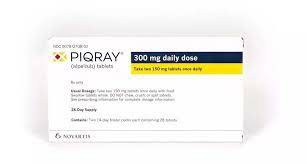
Alpelisib (Alpelisib) is an inhibitor targeting PI3Kα and is used to treat hormone receptor-positive, human epidermal growth factor receptor 2-negative advanced or metastatic breast cancer carrying PIK3CA gene mutations. Although Apelvis has shown good efficacy in treating certain types of breast cancer, it may be associated with some side effects. Here are some possible Apelvis side effects and how to deal with them:
Common side effects:
1.Hyperglycemia: The use of Apelvis may result in increased blood sugar levels. Management includes regular monitoring of blood sugar levels, dietary management as recommended by your doctor, and possibly the use of oral or injectable insulin.
2.Skin reactions: Including rash, itching, dryness, erythema, etc. Treatment options include using gentle skin care products, avoiding direct sun exposure, and using topical medications as recommended by your doctor.
3.Diarrhea: Apelix may cause diarrhea. Treatment methods include maintaining adequate fluid intake, avoiding foods that may irritate the gastrointestinal tract, and using medications to relieve symptoms as recommended by your doctor.
4.Abnormal liver function: Abnormal liver function may occur during use of Apelvis, manifested by elevated liver enzyme levels. Treatment methods include regular liver function checks and adjustment of treatment plans under the supervision of a doctor.
Serious but rare side effects:
1.Pneumonitis: Apelix use may cause pneumonia, a rare but serious side effect. Management includes immediate medical attention and appropriate treatment, and the doctor may consider suspending or adjusting medication.
2.Hyperinsulinemia: Apelix use may cause hyperinsulinemia and increase blood sugar levels. Management may include further adjustments to diet, monitoring of blood sugar, and possibly the use of insulin.
3.Electrocardiogram (ECG) changes: Apelvis may cause QT interval prolongation and affect the electrical activity of the heart. Treatment methods include regular electrocardiogram monitoring and adjustment of treatment plans under the supervision of a doctor.
General principles for dealing with side effects:
1.Report to the doctor promptly: Regardless of whether the side effects are mild or serious, patients should report them to the doctor promptly. The doctor can adjust the treatment plan according to the specific situation and provide corresponding support and advice.
2.Regular follow-up visits: During the period of using Apelvis, doctors usually arrange regular follow-up visits to monitor the patient's physical condition and drug response. Patients should actively participate in follow-up visits and share any discomfort and changes.
3.Individualized treatment: Each patient’s constitution and response are unique, so treatment plans need to be individualized. Doctors will adjust drug dosage or choose other treatment strategies based on the patient's specific condition.
4.Supportive care: For specific side effects, supportive care may include the use of medications or other methods to relieve symptoms and improve the patient's quality of life.
5.Lifestyle management: Some side effects can be alleviated by adjusting lifestyle, such as eating a reasonable diet, maintaining adequate water intake, and avoiding exposure to irritating substances.
When dealing with the side effects of Apelvis, patients should maintain close contact with the medical team, insist on taking the medication as directed, and report any abnormalities in a timely manner. The doctor will adjust the treatment plan based on the patient's response and overall condition to ensure that the patient receives treatment while minimizing the impact of side effects.
Apelis has not yet been launched in China, so it is not included in medical insurance. Therefore, patients cannot purchase it domestically and need to purchase Apelis through overseas channels. In foreign countries, the original Apelvis drug is mainly used. There are European and Indian versions of the original drug on the market. The price of the European version of the original drug is as high as tens of thousands of yuan. Relatively speaking, the price of the Indian version of the original drug is around four to five thousand yuan. The price is still relatively cheap. Moreover, the ingredients and efficacy of the European and Indian original drugs are consistent.
[ 免责声明 ] 本页面内容来自公开渠道(如FDA官网、Drugs官网、原研药厂官网等),仅供持有医疗专业资质的人员用于医学药学研究参考,不构成任何治疗建议或药品推荐。所涉药品可能未在中国大陆获批上市,不适用于中国境内销售和使用。如需治疗,请咨询正规医疗机构。本站不提供药品销售或代购服务。


