
.jpeg)
What are the precautions for Erdafitinib?
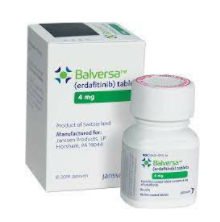
Erdafitinib is a pan-fibroblast growth factor receptor (FGFR) inhibitor approved for the treatment of adults with locally advanced or metastatic urothelial carcinoma who are sensitive to FGFR3/2 alterations and have progressed after platinum-containing chemotherapy. What are the precautions for taking Erdafitinib(Erdafitinib)?
1.Eye diseases. Erdafitinib can cause eye diseases, including central serous retinopathy/retinal pigment epithelial detachment(CSR/RPED) leading to visual field defects. 25%of patients receiving erdafitinib developed CSR/RPED, with a median time to first onset of 50 days. Grade 3 CSR/RPED involving the central visual field was reported in 3% of patients. At the time of study cutoff, 13% of patients had resolution of CSR/RPED and 13% of patients had ongoing disease. CSR/RPEDresulted in dose interruptions and reductions in 9% and 14% of patients, respectively, and discontinuation of erdafitinib in 3%of patients. During erdafitinibtreatment, 28% of patients experienced dry eye symptoms, and 6%of patients had grade 3. All patients should use ocular emollients for dry eye prophylaxis as needed. Have an eye exam during the first 4 months of treatment and every 3 months thereafter, and urgently at any time for visual symptoms. The eye examination should include assessment of visual acuity, slit-lamp examination, fundoscopy, and optical coherence tomography. Discontinue erdafitinib when CSR occurs, or permanently if CSR does not resolve within 4 weeks or is severity 4.
2.Hyperphosphatemia and soft tissue mineralization. Erdafitinibcan cause hyperphosphatemia, leading to soft tissue mineralization, cutaneous calcinosis, non-uremic calcium hypersensitivity, and vascular calcification. Increased phosphate levels are a pharmacodynamic effect of erdafitinib. Hyperphosphatemia has been reported in 76% of patients treated with erdafitinib. The median time to onset of any grade hyperphosphatemia event was 20 days after initiation of erdafitinib (range: 8-116 days). 32%of patients received a phosphate binder duringerdafitinibtreatment. Cutaneous calcinosis, nonuremic calcium hypersensitivity, and vascular calcification were observed in 0.3%of patients receiving erdafitinib. Monitor for hyperphosphatemia throughout treatment. In all patients, limit phosphate intake to 600-800 milligrams per day. If serum phosphate is above 7.0 mg/dL, consider adding an oral phosphate binder until serum phosphate levels return to < 5.5 mg/dL. Discontinue, reduce dose, or permanently discontinue erdafitinib based on duration and severity of hyperphosphatemia.
3.Embryo-Fetal toxicity. Based on the mechanism of action and findings from animal reproduction studies, erdafitinib can cause fetal harm when administered to pregnant women. In an embryo-fetotoxicity study, oral administration of erdafitinib to pregnant rats during organogenesis resulted in malformations and embryonic-fetal death at maternal exposures below the maximum recommended human dose, based on the area under the curve (AUC). Inform pregnant women of potential risks to the fetus. Advise female patients of reproductive potential to use effective contraception during treatment with erdafitinib and for one month after the last dose. Advise male patients with a female partner of reproductive potential to use effective contraception during treatment with erdafitinib and for one month after the last dose. If you want to get more high-quality information, you can contact Yaode, and Yaode will do its best to learn more about high-quality overseas drugs for you.
xa0
xa0
xa0
[ 免责声明 ] 本页面内容来自公开渠道(如FDA官网、Drugs官网、原研药厂官网等),仅供持有医疗专业资质的人员用于医学药学研究参考,不构成任何治疗建议或药品推荐。所涉药品可能未在中国大陆获批上市,不适用于中国境内销售和使用。如需治疗,请咨询正规医疗机构。本站不提供药品销售或代购服务。


