
.jpeg)
What are the precautions for taking Dasatinib?
During clinical studies of dasatinib (Dasatinib), warnings and precautions such as bone marrow suppression, bleeding-related events, fluid retention, cardiovascular toxicity, pulmonary hypertension, QT prolongation, severe skin reactions, tumor lysis syndrome, embryo-fetal toxicity, effects on the growth and development of pediatric patients, and hepatotoxicity have emerged. Discontinue and resume at reduced dose upon recovery, or permanently discontinue based on severity.
1. Myelosuppression: Treatment with dasatinib is associated with severe (NCI CT CAE grade 3 or 4) thrombocytopenia, neutropenia, and anemia, which occur earlier and more frequently in patients with advanced CML or Ph+ ALL compared with patients with chronic phase CML. Myelosuppression is usually reversible and is usually controlled by temporary discontinuation of penicillin and/or dose reduction.
For patients with chronic phase CML, perform complete blood counts (CBCs) every 2 weeks for 12 weeks and every 3 months thereafter, or as clinically indicated. For patients with advanced CML or Ph+ ALL, complete blood counts should be performed weekly for the first 2 months and monthly thereafter, or as clinically indicated. For pediatric patients with Ph+ ALL who receive dasatinib in combination with chemotherapy, perform a complete blood count as clinically indicated before starting each cycle of chemotherapy. During the consolidation phase of chemotherapy, complete blood counts should be performed every 2 days until recovery.
2. Bleeding-related events: The most common bleeding site is the gastrointestinal tract, and most bleeding events in clinical studies are related to severe thrombocytopenia. In addition to causing thrombocytopenia in human subjects, dasatinib causes platelet dysfunction in vitro. Concomitant use of medications that inhibit platelet function or anticoagulants may increase the risk of bleeding.
3. Fluid retention: Evaluate patients with pleural effusion or other symptoms of fluid retention, such as new or worsening dyspnea during exertion or rest, pleuritic chest pain, or dry cough, and promptly conduct chest x-ray examination or other appropriate imaging diagnosis. Fluid retention events are usually managed with supportive care measures, including diuretics or short-term steroid therapy. Severe pleural effusion may require thoracentesis and oxygen therapy.
4. Cardiovascular toxicity: Dasatinib can cause cardiac dysfunction, which may include cardiac ischemic events, cardiac-related fluid retention, and conduction system abnormalities. The most common ones are arrhythmias and palpitations, and transient ischemic attacks may also occur. Monitor patients for signs or symptoms consistent with cardiac dysfunction and treat appropriately.
5. Pulmonary arterial hypertension: Adult and pediatric patients may be increased at risk of developing pulmonary arterial hypertension (PAH), which may occur at any time after starting treatment, including after more than 1 year of treatment. Manifestations include dyspnea, fatigue, hypoxia, and fluid retention. Pulmonary hypertension may be reversible after discontinuation of dasatinib. Assess patients for signs and symptoms of underlying cardiopulmonary disease before initiating dasatinib and during treatment. If PAH is confirmed, dasatinib should be permanently discontinued.
6. QT prolongation: may include patients with hypokalemia or hypomagnesemia, patients with congenital long QT syndrome, patients taking antiarrhythmic drugs or other drugs that cause QT prolongation, and patients receiving cumulative high-dose anthracyclines. Correct hypokalemia or hypomagnesemia before and during dasatinib.
7. Serious skin reactions: Cases of severe mucocutaneous reactions, including Stevens-Johnson syndrome and erythema multiforme, have been reported in patients treated with dasatinib. If no other cause can be identified, patients who develop severe mucocutaneous reactions during treatment should permanently discontinue the drug.
8. Tumor lysis syndrome: Tumor lysis syndrome has been reported to occur in patients who are resistant to previous imatinib (Imatinib) treatment, mainly in advanced disease. Due to potential tumor lysis syndrome, maintain adequate hydration, correct uric acid levels, and monitor electrolyte levels before initiating treatment with dasatinib. Patients with advanced disease and/or high tumor burden may be at higher risk and should be monitored more frequently.
9. Embryo-Fetal Toxicity: Based on limited human data, dasatinib can cause fetal damage when administered to pregnant women. Adverse pharmacological effects including hydrops fetalis, fetal leukopenia, and fetal thrombocytopenia have been reported following maternal exposure to dasatinib. It is therefore recommended that women of reproductive potential and men who are partners of a female of reproductive potential use effective contraception during treatment with the drug and for 30 days after the last dose of the drug.
10. Effects on growth and development of pediatric patients: In the SPRYCEL pediatric trial of chronic phase CML, after at least 2 years of treatment, 5.2% of patients reported adverse reactions related to bone growth and development, one of which was severe (grade 3 growth retardation). The five cases included delayed epiphyseal fusion, osteopenia, growth retardation, and gynecomastia. Of these 5 cases, 1 case of osteopenia and 1 case of gynecomastia resolved during treatment. Monitor skeletal growth and development in pediatric patients.
11. Hepatotoxicity: measured by elevations in bilirubin, aspartate aminotransferase (AST), alanine aminotransferase (ALT), and alkaline phosphatase. Monitor transaminases at baseline and monthly or as clinically indicated during treatment. Hepatotoxicity in the form of elevated transaminases and hyperbilirubinemia has been observed when dasatinib was administered concomitantly with chemotherapy. Monitor liver function when dasatinib is used with chemotherapy.
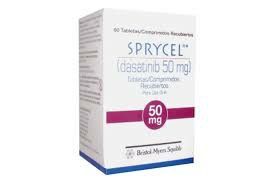
The original drug of dasatinib has been launched in China and is included in the medical insurance. Currently, reimbursement is only available to eligible patients. Common specifications The price of each box of 50mg*60 tablets may be around RMB 10,000. The original drug overseas is even more expensive. Dasatinib generics are also sold overseas. The ingredients of the drug are basically the same as those sold domestically and abroad, but the price is cheap. For example, the price of a box of 50mg*60 tablets produced by an Indian pharmaceutical factory may be several hundred yuan (the price may fluctuate due to exchange rates).
[ 免责声明 ] 本页面内容来自公开渠道(如FDA官网、Drugs官网、原研药厂官网等),仅供持有医疗专业资质的人员用于医学药学研究参考,不构成任何治疗建议或药品推荐。所涉药品可能未在中国大陆获批上市,不适用于中国境内销售和使用。如需治疗,请咨询正规医疗机构。本站不提供药品销售或代购服务。


