
.jpeg)
What are the precautions for taking Dasatinib?
Dasatinib, a BCR-ABL tyrosine kinase inhibitor, is used in adults and children to treat a type of blood cancer called Philadelphia chromosome-positive chronic myelogenous leukemia (CML). Dasatinib is also used to treat Philadelphia chromosome-positive acute lymphoblastic leukemia (ALL) in adults and children.
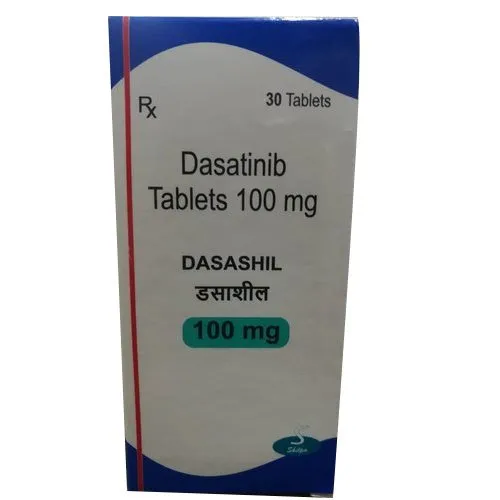
What are the precautions for dasatinib(Dasatinib)?
1.Myelosuppression. UseDasatinib Treatment and Severe (NCI CT CAE Grade 3 or ALLPatients with ALL experience these symptoms earlier and more frequently. For patients with chronic phase CML, perform a complete blood count(CBCs) every 2 weeks for 12weeks and every 3 months thereafter, or as clinically indicated. For patients with advanced CML or Ph+ ALL, complete blood counts should be performed weekly for the first 2 months and monthly thereafter, or as clinically indicated. For pediatric patients with Ph+ ALL who receive dasatinib in combination with chemotherapy, obtain a complete blood count as clinically indicated before starting each cycle of chemotherapy. During the consolidation phase of chemotherapy, perform a complete blood count every 2 days until recovery. Myelosuppression is usually reversible and is usually managed by temporarily discontinuing penicillin or reducing the dose.
2.Bleeding-related events. Dasatinibcan cause serious and fatal bleeding. Occurred in patients treated with dasatinib in all CML or Ph+ ALL clinical studies≥3Grade central nervous system(CNS)hemorrhage(including death)The proportion of < 1%. Grade 3/4 hemorrhage occurs in 5.8% of adult patients and usually requires treatment interruption and transfusion. The incidence of grade 5 hemorrhage was 0.4% in adult patients. The most common site of bleeding is the gastrointestinal tract. Most bleeding events in clinical studies were associated with severe thrombocytopenia. In addition to causing thrombocytopenia in human subjects, dasatinib also caused platelet dysfunction in vitro. Concomitant use of medications that inhibit platelet function or anticoagulants may increase the risk of bleeding.
3.Liquid retention. Dasatinib may cause fluid retention. Evaluate patients who develop pleural effusion or other symptoms of fluid retention, such as new or worsening dyspnea on exertion or rest, pleuritic chest pain, or dry cough, and promptly obtain chest x-rays or other appropriate diagnostic imaging. Fluid retention events are usually managed with supportive care measures, including diuretics or short-term steroid therapy. Severe pleural effusion may require thoracentesis and oxygen therapy. Consider reducing dose or interrupting treatment.
4.Cardiovascular toxicity. Cephalosporins can cause cardiac dysfunction. Monitor patients for signs or symptoms consistent with cardiac dysfunction and treat appropriately.
5.Pulmonary hypertension. Dasatinib may increase the risk of pulmonary arterial hypertension (PAH) in adult and pediatric patients at any time after initiation of treatment, including after more than 1 year of treatment. Assess patients for signs and symptoms of underlying cardiopulmonary disease before initiating dasatinib and during treatment. If
[ 免责声明 ] 本页面内容来自公开渠道(如FDA官网、Drugs官网、原研药厂官网等),仅供持有医疗专业资质的人员用于医学药学研究参考,不构成任何治疗建议或药品推荐。所涉药品可能未在中国大陆获批上市,不适用于中国境内销售和使用。如需治疗,请咨询正规医疗机构。本站不提供药品销售或代购服务。


