
.jpeg)
Long-term results of dasatinib-blinatumomab regimen in Philadelphia-positive adults with ALL
In Philadelphia-positive acute lymphoblastic leukemia (Ph+ALL), tyrosine kinase inhibitors (TKIs) with or without chemotherapy are often followed by allogeneic stem cell transplantation (SCT), resulting in 1-5 year survival rates approaching 50%. Since 2000, GIMEMA Group has pioneered a chemotherapy-free induction strategy for adult patients with newly diagnosed Philadelphia-positive acute lymphoblastic leukemia. This approach results in complete hematological responses (CHRs) in 94%-100% of cases, and almost no deaths during induction, regardless of age. Further progress was achieved with the addition of blinatumomab. In the D-ALBA frontline regimen for adults with Ph+ ALL without an upper age limit, dasatinib plus steroids were administered during the induction phase, followed by at least two cycles of blinatumomab as the consolidation phase. Preliminary reports show a 60% molecular response (52% to intent) on the primary endpoint (after two cycles of blinatumomab) treatment), the overall survival rate (OS) and disease-free survival (DFS) at 18 months were 95% and 88% respectively.
PATIENTS AND METHODS: Treatment received and long-term follow-up after blinatumomab consolidation were collected in the GIMEMA LAL2217 (Identifier: NCT03318770) adjuvant trial after patients signed written informed consent. Demographics (median age 54 years, range 24-82 years), genomic characteristics, response criteria, minimal residual disease (MRD) determination, and statistical analyzes of the 63 enrolled patients are detailed in the Data Supplement.
Molecular response and survival: Molecular response increased over time and was 75%, 77%, 70.1%, 85%, 90% and 93% at 2, 4, 6, 8, 10 and 12 months after the last blinatumomab cycle, respectively. The percentage of patients with molecular responses further increases during subsequent follow-up, noting that molecular findings are often lacking in allograft patients or in patients lost to follow-up. At a median follow-up of 53 months, DFS, OS, and event-free survival (EFS) rates were 75.8%, 80.7%, and 74.6%, respectively. At the end of induction, significantly better DFS was observed in 17 molecular responders (EOI; 100%) vs. non-molecular responders (n=42; 68.6%; P=.018). After two cycles of blinatumomab, the differences in DFS and OS between molecular responders (n=33) and MRD+ patients (n=22) were no longer significant, 82.9% 82.9% vs. 75.7% and 89.4% vs. 84.2%, respectively. Patients with IKZF1 (n = 11, 45.5%) had significantly worse DFS compared with patients without IKZF1 deletion (n = 25, 82.3%) or with only IKZF1 deletion (n = 13, 74%; P = 0.029). OS results were similar.
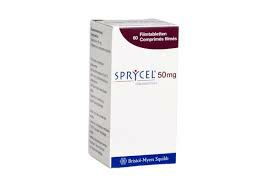
Post-consolidation treatment:Twenty-nine patients (median age 58 years, 30-70 years old) received neither chemotherapy nor transplantation and are still receiving TKI treatment. Twenty-seven patients (93.1%) achieved a molecular response (ie, complete molecular response or nonquantifiable positivity) after dasatinib/blinatumomab treatment, 20 patients after two blinatumomab cycles, and 7 patients after a further blinatumomab cycle. Twenty-eight patients (96.5%) still had persistent CHR at a median follow-up of 48 months (22-64).
Twenty-four patients underwent allogeneic transplantation at first CHR (median age 51.5 years, 24-67 years). Thirteen patients (54.2%) were nonmolecular responders at the primary endpoint; only two became molecular negative after further cycles of blinatumomab. One patient had recurrence of SCT 1 month after surgery, and 3 patients died from complications. The remaining 20 patients (83.3%) were still alive in CHR at a median follow-up of 49 (17-66) months. Six cases were transplanted in the second CHR; in the second CHR, three died and three survived, respectively, 30, 40, and 52 months after the second CHR. Transplant-related mortality (TRM) for first CHR was 12.5% u200bu200band 13.7%, respectively.
Relapses, Deaths, and Toxicity: Overall, 9 relapses occurred, 4 hematological, 4 involving the central nervous system, and 1 nodal relapse. The median time was 4.4 (1.9-25.8) months. Three patients survived after salvage treatment and SCT. Of the 8 evaluable cases, 4 had IKZF1 signatures at diagnosis; ABL1 mutations were found in 7 patients (6 patients with T3151I and 1 patient with E255K) who were tested in relapses or extrahematologic relapses with increased MRD. Four patients carried both IKZF1 signaling and T315I mutation. Although relapse rates were similar for p190 and p210 (14.6% vs. 13.6%), time to relapse was shorter for p190 compared with p210 (3.9 vs. 24.3 months). Five deaths occurred during the first CHR (1 case of induction pneumonia, 1 case of mechanical aortic valve stent endocarditis, and 3 cases after SCT).
Discussion: The advantage of treating first-line Ph+ALL in adults/elderly with dasatinib followed by blinatumomab has been shown for the first time. Similar results with combined treatment with ponatinib and blinatumumab were recently reported. The final analysis of the D-ALBA study showed that at a median follow-up of 53 months, DFS and OS were 75.8% and 80.7%, respectively, which was significantly better than previous dasatinib-based trials. DFS was 100% in molecular response to EOI, confirming the prognostic role of early molecular response in a chemotherapy-free setting. No significant long-term survival difference was found between molecular and non-molecular responses after two cycles of blinatumomab, suggesting that blinatumomab is also effective in preventing relapse in patients with suboptimal early molecular responses, possibly also through host immune modulation.
[ 免责声明 ] 本页面内容来自公开渠道(如FDA官网、Drugs官网、原研药厂官网等),仅供持有医疗专业资质的人员用于医学药学研究参考,不构成任何治疗建议或药品推荐。所涉药品可能未在中国大陆获批上市,不适用于中国境内销售和使用。如需治疗,请咨询正规医疗机构。本站不提供药品销售或代购服务。


