
.jpeg)
The Difference Between Dasatinib and Imatinib
Dasatinib (Dasatinib) and imatinib (Imatinib) are both oral drugs for the treatment of chronic myeloid leukemia (CML), but they belong to different drug classes and have some differences. Dasatinib is a second-generation tyrosine kinase inhibitor, while imatinib is a first-generation tyrosine kinase inhibitor. Second-generation inhibitors are generally more effective in patients with more resistant CML.
1. Indications: Dasatinib is approved for the treatment of Philadelphia chromosome-positive chronic myelogenous leukemia (Ph+ CML) and Philadelphia chromosome-positive acute lymphoblastic leukemia (Ph+ALL), including resistance or intolerance to prior therapy including imatinib; imatinib is approved for the treatment of Ph+CML, Ph+ALL, bone marrow Dysplastic/myeloproliferative disorders, aggressive systemic mastocytosis, dermatofibrosarcoma protuberans, hypereosinophilic syndrome (HES) and/or chronic eosinophilic leukemia (CE), gastrointestinal stromal tumor (GIST).
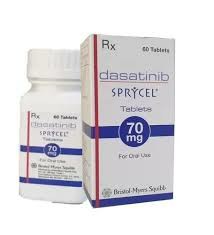
2. Mechanism of action: Both dasatinib and imatinib block the growth of leukemia cells by inhibiting the kinase activity of BCR-ABL fusion protein. However, dasatinib also inhibits other related kinases, such as SRC family kinases, and may therefore be more effective in patients with higher drug resistance in some cases.
3. Usage: Dasatinib is available in 20 mg, 50 mg, 70 mg, 80 mg, 100 mg and 140 mg oral tablets. It is usually taken orally once a day, in the morning and evening, with or without food. Imatinib is available as 100 mg and 400 mg oral tablets and is usually taken by mouth once or twice daily with a meal orally with a glass of water. Dosage will vary based on specific use, age, weight, and/or the presence of any kidney or liver impairment.
4. Side effects: The side effects of dasatinib and imatinib will vary between patients based on clinical use, age and other factors. The most common side effects were reported in 15% or more of adult patients and 30% or more of pediatric patients treated with dasatinib, and in 30% or more of imatinib. The most common side effects include nausea, vomiting, diarrhea, rash, muscle cramps or muscle and bone pain, fatigue, edema and fluid retention events, and stomach (abdominal) pain.
The original drug of dasatinib has been launched in China and is included in the medical insurance. Currently, reimbursement is only available to eligible patients. Common specifications The price of each box of 50mg*60 tablets may be around RMB 10,000. The original drug overseas is even more expensive. Dasatinib generics are also sold overseas. The ingredients of the drug are basically the same as those sold domestically and abroad, but the price is cheap. For example, the price of a box of 50mg*60 tablets produced by an Indian pharmaceutical factory may be several hundred yuan (the price may fluctuate due to exchange rates).
[ 免责声明 ] 本页面内容来自公开渠道(如FDA官网、Drugs官网、原研药厂官网等),仅供持有医疗专业资质的人员用于医学药学研究参考,不构成任何治疗建议或药品推荐。所涉药品可能未在中国大陆获批上市,不适用于中国境内销售和使用。如需治疗,请咨询正规医疗机构。本站不提供药品销售或代购服务。


