
.jpeg)
What are the effects and side effects of Sitagliptin?
Sitagliptin is a dipeptidyl peptidase-4 (DPP-4) inhibitor, mainly used to treat 2 type diabetes. Its efficacy is mainly reflected in the following aspects:
1. Reduce blood sugar levels: The mechanism of action of sitagliptin is to inhibit the activity of DPP-4 enzyme and increase insulin-like growth factor-1(IGF-1) and glucagon (GLP-1) concentrations in the body. Elevated levels of these two hormones help promote insulin secretion and inhibit glucagon release, thereby effectively lowering blood sugar levels.
2. Improve insulin sensitivity: By increasing the concentration of IGF-1, sitagliptin can promote the uptake of glucose by cells and improve the sensitivity of tissues to insulin. This helps improve the effects of insulin and further lowers blood sugar levels.
3. Postprandial blood sugar control: The use of sitagliptin is usually related to diet and can better control the rise in blood sugar peaks after meals. This is particularly important for patients with type 2 diabetes, as postprandial hyperglycemia is a key issue in diabetes management.
4. Convenience of oral administration: As an oral drug, sitagliptin is more acceptable to patients than other treatment methods that require injection of insulin. This improves patient convenience and helps improve medication compliance.
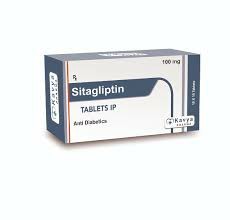
Side effects of sitagliptin
Although sitagliptin is a relatively safe drug, some side effects may occur during use. Here are some possible side effects:
1. Gastrointestinal discomfort: including nausea, diarrhea, abdominal pain, etc. These symptoms are usually mild and decrease as the patient adapts.
2. Respiratory tract infection: Some patients may experience upper respiratory tract infection, such as nasal congestion, sore throat, etc.
3. Headache: There are reports that some patients may experience headache symptoms while taking sitagliptin.
4. Hypoglycemia: Although sitagliptin itself is less likely to cause hypoglycemia, it may increase the risk of hypoglycemia when used in combination with other antidiabetic drugs or insulin. This requires patients and doctors to pay close attention.
5. Pancreatitis: Although very rare, there have been reports of a possible association between the use of DPP-4 inhibitors and the development of pancreatitis. If patients experience abdominal pain or discomfort during use, they should seek medical attention immediately.
6. Allergic reactions: including rash, urticaria, facial swelling and other allergic reactions. Severe allergic reactions are rare but require prompt medical attention.
7. Arthral Pain: Some patients may experience symptoms of joint pain while taking sitagliptin.
8. Gastrointestinal bleeding: Extremely rare, but some patients have reported gastrointestinal bleeding during use.
9. Abnormal liver function: In some cases, use of sitagliptin has been associated with the development of abnormal liver function, but this is rare.
Overall, most patients tolerate sitagliptin well with mild side effects. However, patients should pay close attention to their physical condition during medication, and if they have any discomfort or concerns, they should report to their doctor in time so that the treatment plan can be adjusted. Before using any drug, patients should consult their doctor to understand the drug's indications, usage and dosage, as well as possible side effects and precautions.
[ 免责声明 ] 本页面内容来自公开渠道(如FDA官网、Drugs官网、原研药厂官网等),仅供持有医疗专业资质的人员用于医学药学研究参考,不构成任何治疗建议或药品推荐。所涉药品可能未在中国大陆获批上市,不适用于中国境内销售和使用。如需治疗,请咨询正规医疗机构。本站不提供药品销售或代购服务。


