
.jpeg)
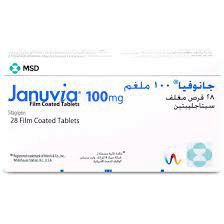
Detailed instructions for Sitagliptin
1. Indications:
Sitagliptin is mainly used to treat type 2 diabetes. It is indicated for patients who have failed to achieve adequate glycemic control despite dietary and exercise measures, and can be used as monotherapy or in combination with other oral hypoglycemic agents or insulin.
2. Mechanism of action:
Sitagliptin is a dipeptidyl peptidase-4 (DPP-4) inhibitor. Its mechanism of action involves inhibiting the activity of DPP-4 enzyme, thereby extending the life cycle of glucagon (GLP-1). GLP-1 can stimulate the release of insulin, inhibit insulin secretion, slow down the absorption of food in the gastrointestinal tract, and ultimately help regulate blood sugar levels.
3. Pharmacology:
Sitagliptin is mainly administered orally and has high bioavailability. Drugs are mainly excreted through the kidneys in the body, and the dosage needs to be adjusted according to the patient's renal function.
4. Dosage and usage:
Generally, adult patients take the dose 100mg orally once daily. It can be taken before or after a meal. The specific medication time can be determined according to the individual's eating habits and daily routine. For patients with renal insufficiency, dosage adjustment may be necessary and use under physician supervision is recommended.
5. Side effects:
Common side effects include upper respiratory tract infection, headache, hypoglycemia, etc. Rare but serious side effects include acute pancreatitis, allergic reactions, arthritis, etc. Patients should pay close attention to their physical condition during medication, and report any abnormalities to their doctors in a timely manner.
6. Warnings and Precautions:
Use sitagliptin with caution in patients with a history of cardiovascular disease as an association with cardiovascular events has been reported.
During the period of taking the drug, patients should regularly monitor liver and kidney function to ensure that they are within the normal range.
Sitagliptin is not suitable for patients with type 1 diabetes.
If symptoms of hypoglycemia occur during medication, patients should take timely measures, such as supplementing carbohydrates, and report to the doctor.
7. Contraindications:
Sitagliptin is a contraindication for allergic reactions to the drug and should not be continued in patients who have had an allergic reaction to sitagliptin or its components in the past.
8. Drug interactions:
Sitagliptin has relatively few interactions with other drugs, but it may increase the risk of hypoglycemia when used in combination with other antidiabetic drugs or insulin. Patients should inform their doctors about other medications they are taking before taking sitagliptin to avoid potential interactions.
9. Drugs for special groups:
Pregnant and lactating women: Pregnant and lactating women should seek medical advice before using sitagliptin. There are currently limited studies on its safety during pregnancy and lactation.
Elderly patients: For elderly patients, the dosage may need to be adjusted, and the doctor will develop an appropriate treatment plan based on the patient's specific situation.
10. Medical advice:
During the period of taking sitagliptin, patients should see a doctor regularly and receive monitoring and evaluation by a doctor. Doctors may adjust the medication regimen based on the patient's condition and biochemical indicators to ensure optimal blood sugar control during treatment.
Sitagliptin is a relatively safe and effective oral anti-diabetic drug that regulates GLP-1 through the DPP-4inhibition mechanism, helping to maintain stable blood glucose levels. Patients should read the instructions carefully when using the drug, follow the doctor's advice, and conduct regular monitoring and follow-up to ensure the best efficacy and safety of the drug.
[ 免责声明 ] 本页面内容来自公开渠道(如FDA官网、Drugs官网、原研药厂官网等),仅供持有医疗专业资质的人员用于医学药学研究参考,不构成任何治疗建议或药品推荐。所涉药品可能未在中国大陆获批上市,不适用于中国境内销售和使用。如需治疗,请咨询正规医疗机构。本站不提供药品销售或代购服务。


