
.jpeg)
Efficacy and safety of sotoraxib in the treatment of non-small cell lung cancer
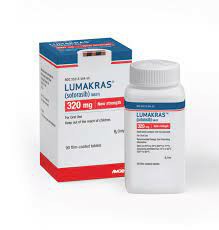
Sotorasib is a new anti-cancer drug used to treat KRAS G12C mutated non-small cell lung cancer (NSCLC). As a KRAS G12C inhibitor, sotorasiib is expected to provide a targeted treatment by precisely intervening in this specific gene mutation and blocking abnormal signaling pathways. The following is a discussion on the efficacy and safety of sotoraxib in the treatment of non-small cell lung cancer, combined with existing clinical trial data.
1. Effectiveness:
1.1 Clinical trial results: Initial clinical trial data show that sotoraxib has shown certain efficacy in the treatment of KRAS G12C mutant non-small cell lung cancer patients. In a pivotal Phase II clinical trial (CodeBreaK 100), sotoraxib demonstrated significant anti-tumor activity in patients with advanced NSCLC. Research results show that some patients showed a significant shrinkage or stabilization trend in their tumors after receiving sotoraxib treatment, and the duration was relatively long.
1.2 Sustained effectiveness: Although some patients may experience an initial positive response to sotoraxib, the key issue is the continued effectiveness of the drug. There is some data suggesting that drug tolerance and disease progression may occur in some patients after a period of use. This emphasizes the importance of monitoring treatment continuation and changes in patient response.
2. Security:
2.1 Common side effects: According to clinical trial data, common side effects of sotoraxib include fatigue, nausea, diarrhea, vomiting and skin inflammation. These side effects are usually mild to moderate and can be managed with dose adjustments or other supportive care. However, some patients may experience more serious adverse events, including hypertension and pneumonia.
2.2 Usage in special populations: Safety data for elderly patients, patients with impaired liver or renal function, and children are relatively limited. The individual differences and potential risks in these patients need to be more carefully considered when using sotoraxib, and dose adjustments should be made if necessary.
3. Future Outlook:
As the clinical application of sotoraxib continues to deepen, further studies will evaluate its efficacy and safety in more depth. In addition, research on the mechanisms and treatment strategies of drug tolerance will also become an important direction for future research. In the continuously updated medical research, new clinical data and understanding may be generated, providing more guidance on the use and optimization of sotoraxib.
In general, sotorasiib, as a new KRAS G12C inhibitor, has shown certain efficacy in the treatment of KRAS G12C mutant non-small cell lung cancer. However, with further research and clinical practice, a more complete understanding of its long-term efficacy and safety will be added. Before using sotorasiib, patients should carefully consult a professional doctor to develop the most suitable treatment plan based on individual circumstances. The efficacy and safety of drugs will remain the focus of future research and practice.
The original drug of sotorasibu has not yet been launched in China, so patients cannot purchase it domestically and need to purchase sotorasibu through overseas channels. The price of the original version of sotorasibu in Hong Kong, China, with the specifications of 120mg*240 tablets, is around 8 million, and the price of the European version of the original drug with the same specifications is around 4 million, which is relatively expensive. The cheaper ones are the generic drugs marketed abroad. For example, the price of generic drugs in Laos and Bangladesh is around two to three thousand yuan. The price is relatively cheap, and the ingredients of foreign generic drugs are basically the same as the original drugs.
[ 免责声明 ] 本页面内容来自公开渠道(如FDA官网、Drugs官网、原研药厂官网等),仅供持有医疗专业资质的人员用于医学药学研究参考,不构成任何治疗建议或药品推荐。所涉药品可能未在中国大陆获批上市,不适用于中国境内销售和使用。如需治疗,请咨询正规医疗机构。本站不提供药品销售或代购服务。


