
.jpeg)
Which one is more effective against cancer, Lorlatinib or Alectinib?
Lorlatinib and alectinib are both targeted therapies for non-small cell lung cancer (NSCLC) with ALK (tyrosine kinase) mutations. They belong to different drug classes, have different chemical structures and mechanisms of action, and therefore exhibit unique properties in some aspects. The following will discuss the mechanism of action, efficacy, safety and other aspects of these two drugs in order to gain a more comprehensive understanding of their anti-cancer effects.
1. Mechanism of action:
Lorlatinib (Lorlatinib): Lorlatinib is a third-generation ALK inhibitor that also inhibits ROS1kinase. It inhibits the growth of cancer cells by inhibiting the ALK and ROS1 signaling pathways and blocking abnormally activated cell proliferation signals. The advantage of lorlatinib over other ALK inhibitors is its higher selectivity, especially for some patients with resistance to ALK mutations.
Alectinib (Alectinib): Alectinib is a second-generation ALK inhibitor that also inhibits ROS1. Unlike lorlatinib, alectinib has higher brain-blood-brain barrier permeability and is helpful in the treatment of lung cancer with brain metastasis. Aletinib prevents the proliferation and survival of cancer cells by inhibiting the ALK signaling pathway.
2. Clinical efficacy:
Lorlatinib: Lorlatinib has been shown to be positive forALK in some clinical trialsNSCLCPatients have significant efficacy. It has been shown to show better results in some patients who have developed resistance to other treatment options.
Alectinib: Aletinib has also shown excellent efficacy in ALKpositiveNSCLC in clinical trials, especially in the treatment of brain metastases. Alectinib has been shown to significantly extend patient survival.
3. Safety and Tolerability:
Lorlatinib: The use of lorlatinib may cause some side effects, including hypertension, abnormal lipid metabolism, pneumonia, etc. However, in some studies, lorlatinib appears to be better tolerated relative to otherALKinhibitors.
Alectinib: Alectinib is generally a relatively safe and well-tolerated drug. Common side effects include fatigue, muscle and joint pain, and nausea. Alectinib has relatively mild adverse effects compared with some otherALKinhibitors.
4. Resistance:
Lorlatinib: Although lorlatinib has shown certain advantages over otherALK inhibitors in delaying drug resistance, tumor resistance may still occur. Therefore, regular monitoring is required during treatment.
Alectinib: Alectinib has shown a lower incidence of resistance in some studies, but patients' disease status still needs to be monitored closely and treatment regimens adjusted if necessary.
Taken together, both lorlatinib and alectinib are effective ALK inhibitors and provide beneficial treatment options for ALK positive NSCLC patients. Specific drug selection may depend on the patient's condition, tolerance, treatment history, and other factors. When developing a treatment plan, doctors use an individualized assessment to select the medication that best suits the patient's needs. In the future, with the progress of scientific research, more new ALK inhibitors may emerge, providing patients with more treatment options.
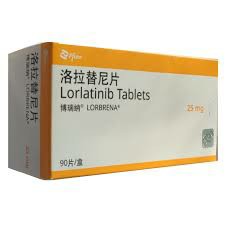
Lorlatinib has been launched in China and is included in medical insurance. Patients can purchase it domestically, but the price is relatively high, about 10,000 to 20,000 yuan. Please consult the local hospital pharmacy for details. There are original lorlatinib drugs and cheaper generic drugs abroad. The cheaper ones are the original drug from Turkey, which costs more than 1,000 yuan, and the original drug from Hong Kong, China, which costs about 30,000 yuan. Generic drugs are mainly generic drugs from Laos and Bangladesh. The price is about several thousand yuan, and the ingredients of the original drugs and generic drugs are basically the same.
[ 免责声明 ] 本页面内容来自公开渠道(如FDA官网、Drugs官网、原研药厂官网等),仅供持有医疗专业资质的人员用于医学药学研究参考,不构成任何治疗建议或药品推荐。所涉药品可能未在中国大陆获批上市,不适用于中国境内销售和使用。如需治疗,请咨询正规医疗机构。本站不提供药品销售或代购服务。


