
.jpeg)
Crizotinib versus lorlatinib
Crizotinib and lorlatinib (Lorlatinib) are two targeted drugs that are widely used in the treatment of ALK (tyrosine kinase)-positive patients with non-small cell lung cancer (NSCLC). Both drugs are ALK inhibitors, but they have significant differences in structure, therapeutic mechanism, drug resistance, and clinical application. The following is a comparative and detailed analysis of crizotinib and lorlatinib:
1. Drug Overview:
Crizotinib: Crizotinib is a first-generation ALK inhibitor that was approved for marketing by the U.S. Food and Drug Administration (FDA) in 2011. It blocks the stimulation of cancer cell growth by these gene mutations by inhibiting the activity of ALK protein and ROS1 protein.
Larlatinib: Lorlatinib is a new generation of ALK inhibitors that was approved for marketing by FDA in 2018. Compared with crizotinib, lorlatinib is more complex in structure and is designed to overcome some drug resistance problems.
2. Structure and mechanism:
Crizotinib: Structurally, crizotinib is a small molecule compound that acts on ALK and ROS1 proteins. By binding to these proteins, it blocks their activity, thereby slowing or stopping the growth of tumor cells.
Lorlatinib: Lorlatinib has a more complex structure and was designed with resistance to previous treatments in mind. Lorlatinib not only acts on ALK and ROS1, but also on IGF-1R and InsRMany other proteins have high selectivity, allowing them to still function effectively in the face of some crizotinib resistance.
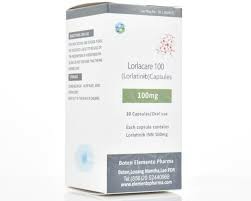
3. Treatment effect:
Crizotinib: In the initial treatment, crizotinib achieved good efficacy in ALKpositive NSCLC patients and significantly prolonged the progression-free survival (PFS). However, some patients may develop resistance as treatment continues.
Lorlatinib: Compared with crizotinib, lorlatinib shows more significant efficacy in first-line treatment. CROWNThe results of the study showed that compared with crizotinib, lorlatinib significantly prolonged PFS in first-line treatment, providing a more promising treatment option for ALKpositive NSCLC patients.
4. Drug resistance problem:
Crizotinib: As treatment continues, some patients may experience crizotinib resistance. The resistance mechanism mainly involves secondary mutations in the ALK gene, which reduces the ability of crizotinib to inhibit these mutations.
Lorlatinib: Lorlatinib was designed as a drug to overcome resistance to crizotinib. Due to its higher selectivity for multipleALKmutations and other related proteins, lorlatinib has shown more durable efficacy in some patients who are resistant to crizotinib.
5. Side effects and safety:
Crizotinib: Common side effects include visual impairment, gastrointestinal discomfort, fatigue, etc. Crizotinib is generally well tolerated.
Lorlatinib: Side effects of lorlatinib include visual impairment, gastrointestinal discomfort, abnormal liver function, etc. In some patients, lorlatinib may cause serious side effects that require monitoring and management during treatment.
Taken together, lorlatinib shows superior efficacy compared to crizotinib in the treatment of ALKpositiveNSCLC patients, especially in first-line treatment. Its more complex structure and mechanism design give it an advantage in overcoming drug resistance. However, the patient's specific situation, individual differences, tolerance and other factors still need to be comprehensively considered when formulating a treatment plan. Doctors will make the most appropriate choice based on the patient's condition, tolerance, treatment history and other factors. With the progress of medical research in the future, it is believed that the field of lung cancer treatment will usher in more innovations and provide patients with more effective treatment options.
[ 免责声明 ] 本页面内容来自公开渠道(如FDA官网、Drugs官网、原研药厂官网等),仅供持有医疗专业资质的人员用于医学药学研究参考,不构成任何治疗建议或药品推荐。所涉药品可能未在中国大陆获批上市,不适用于中国境内销售和使用。如需治疗,请咨询正规医疗机构。本站不提供药品销售或代购服务。


