
.jpeg)
Avelumab efficacy
Avelumab has been shown to be beneficial in a major study that showed patients with Merkel cell carcinoma (MCC) had their cancer shrink, and another study showed that patients with renal cell carcinoma (RCC) lived longer without their disease getting worse. Although the dose of avelumab in these studies was based on the patient's weight, it was suggested that avelumab could be administered at a standard dose regardless of body weight.
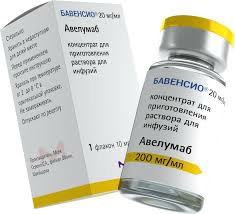
In one major study, approximately33% of patients with Merkel cell carcinoma (29 of 88) experienced a reduction or no evidence of tumor size reduction after treatment with avelumab; in most patients, the response lasted for at least 6 months. Results from the same study of 116 patients with metastatic Merkel cell carcinoma who had not received chemotherapy in the past six months showed an overall response rate of 40%.
In a major study involving886 patients with previously untreated advanced renal cell carcinoma, an infusion of avelumab plus oral axitinib was compared with standard treatment with sunitinib, another cancer drug. The average time of survival without disease progression was about 13 months for patients who received avelumab and axitinib, compared with eight months for those who received sunitinib.
Avelumab was used with best supportive care (any treatment that prevents or relieves symptoms of the disease but does not include other anticancer drugs) and was compared to best supportive care only in one major study, which included 700 people with urothelial cancer that was advanced or had spread to other parts of the body and had not worsened after chemotherapy. Patients who received avelumab lived an average of 22 months, while those who received best supportive care lived an average of 15 months.
[ 免责声明 ] 本页面内容来自公开渠道(如FDA官网、Drugs官网、原研药厂官网等),仅供持有医疗专业资质的人员用于医学药学研究参考,不构成任何治疗建议或药品推荐。所涉药品可能未在中国大陆获批上市,不适用于中国境内销售和使用。如需治疗,请咨询正规医疗机构。本站不提供药品销售或代购服务。


