
.jpeg)
What are the precautions for taking rituximab?
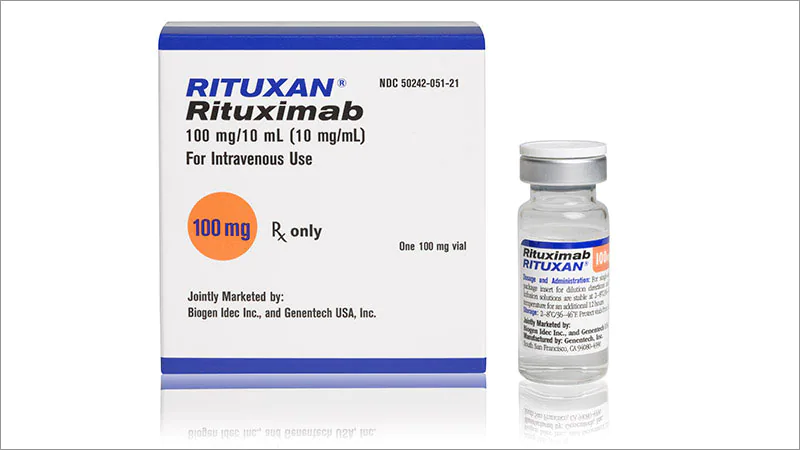
Rituximab is a monoclonal antibody that targets CD20, an antigen expressed on the surface of pre-B lymphocytes and mature B lymphocytes.
What are the precautions for taking rituximab?
1.Infusion-related reactions
Rituximab products may cause serious infusion-related reactions, including fatal reactions. Serious reactions usually occur during the first infusion, starting between 30 and 120 minutes. Infusion-related reactions and sequelae caused by rituximab products include urticaria, hypotension, angioedema, hypoxia, bronchospasm, pulmonary infiltrates, acute respiratory distress syndrome, myocardial infarction, ventricular fibrillation, cardiogenic shock, anaphylactoid events, or death. Give the patient an antihistamine and acetaminophen before dosing. For patients with RA, GPA, and MPA, intravenous administration of methylprednisolone 100 mg or its equivalent is recommended 30 minutes before each infusion. Medically manage infusion-related reactions (e.g., corticosteroids, epinephrine, bronchodilators, or oxygen) as needed. Temporarily or permanently discontinue rituximab based on the severity of the infusion-related reaction and required interventions. After symptoms resolve, resume infusion at a rate of at least 50%. Closely monitor the following patients:Patients with preexisting heart or lung disease, patients with past cardiopulmonary adverse effects, and patients with high circulating malignant cell counts (greater than or equal to 25, 000/mm)3).
2.Severe skin and mucosal reactions
Patients treated with rituximab products may develop mucocutaneous reactions, some of which result in death. These reactions include paraneoplastic pemphigus, Stevens-Johnson syndrome, lichenoid dermatitis, vesicular dermatitis, and toxic epidermal necrolysis. The onset of these reactions varies, including reports of onset on the first day of rituximab exposure. Rituximab should be discontinued in patients who develop severe mucocutaneous reactions. The safety of reintroduction of rituximab products in patients with severe mucocutaneous reactions has not been established.
3.Hepatitis B virus (HBV) reactivation
UsePatients treated with CD20directed cytolytic antibodies, including rituximab products, may experience hepatitis B virus (HBV) reactivation, resulting in fulminant hepatitis, liver failure and death in some cases. Cases have been reported in patients who were positive for hepatitis B surface antigen (HBsAg) and positive for hepatitis B core antibody (anti-HBc). Reactivation also occurs in patients who appear to have resolved their hepatitis B infection (ie, HBsAg-negative, anti-HBc-HBc, and hepatitis B surface antibody [anti-HBs-HBs] positive). HBVreactivation is defined as a sudden increase in HBV replication manifested as serum HBV Rapid increases in DNAlevels or detection in persons who were previouslyHBsAgnegative and anti-HBcpositiveHBsAg. Reactivation of HBVreplication is often accompanied by hepatitis, that is, an increase in aminotransferase levels. In severe cases, elevated bilirubin levels, liver failure, and death can occur. Screen all patients for HBV viral infection by measuring HBsAg and anti-HBc before initiating RIABNI therapy. For patients showing evidence of previous hepatitis B infection (HBsAgpositive [regardless of antibody status] or HBsAgnegative but anti-HBcpositive), consult a physician with expertise in hepatitis B management regarding monitoring and consideration of HBVantiviral therapy before and/or during rituximab treatment. Monitor patients with evidence of current or past HBV infection for clinical and laboratory signs of hepatitis or HBV reactivation during and for several months after rituximab treatment. Reactivation of HBV has been reported within 24months after completion of rituximab therapy. Patients who develop HBV reactivation while taking rituximab should have rituximab and any concomitant chemotherapy immediately discontinued and institute appropriate treatment. There are insufficient data on the safety of resuming rituximab therapy in patients with HBV reactivation. For patients in whom HBVreactivation resolves, the decision to resume rituximab therapy should be discussed with a physician with expertise in HBV treatment.
4.Progressive multifocal leukoencephalopathy (PML)
Viral infections leading toPMLand death may occur in patients with hematological malignancies or autoimmune diseases treated with rituximab products. Most patients with hematologic malignancies diagnosed with PML receive rituximab in combination with chemotherapy or as part of a hematopoietic stem cell transplant. Patients with autoimmune diseases have received prior or concomitant immunosuppressive therapy. Most cases of PML are diagnosed within 12 months of the last rituximab infusion. Consider the diagnosis of PML in any patient who develops new neurologic manifestations. Evaluation of PML includes, but is not limited to, consultation with a neurologist, brainMRI and lumbar puncture. Discontinue rituximab and consider discontinuing or reducing any concomitant chemotherapy or immunosuppressive therapy in patients with PML.
IndiaReliancePharmaceutical retail price50ml:500mg1More than a thousand. If you want to get more high-quality information, you can contact YaDE. YaDE will do its best to learn more about high-quality overseas drugs for you.
[ 免责声明 ] 本页面内容来自公开渠道(如FDA官网、Drugs官网、原研药厂官网等),仅供持有医疗专业资质的人员用于医学药学研究参考,不构成任何治疗建议或药品推荐。所涉药品可能未在中国大陆获批上市,不适用于中国境内销售和使用。如需治疗,请咨询正规医疗机构。本站不提供药品销售或代购服务。


