
.jpeg)
The latest medication guidance for pemetinib
PemigatinibPemigatinibPemigatinibPemigatinib/Pemigatinib is used in adults who have previously received treatment to treat a specific type of cholangiocarcinoma (cholangiocarcinoma) that has spread to nearby tissue or other parts of the body and cannot be removed with surgery. Pemigatinib is also used in adults to treat certain types of bone marrow lymphoid tumors that do not improve or come back after other treatments. Pemetinib belongs to the kinase inhibitor class of drugs. It prevents cancer cells from multiplying by blocking the action of abnormal proteins. This helps prevent or slow down the spread of cancer cells.
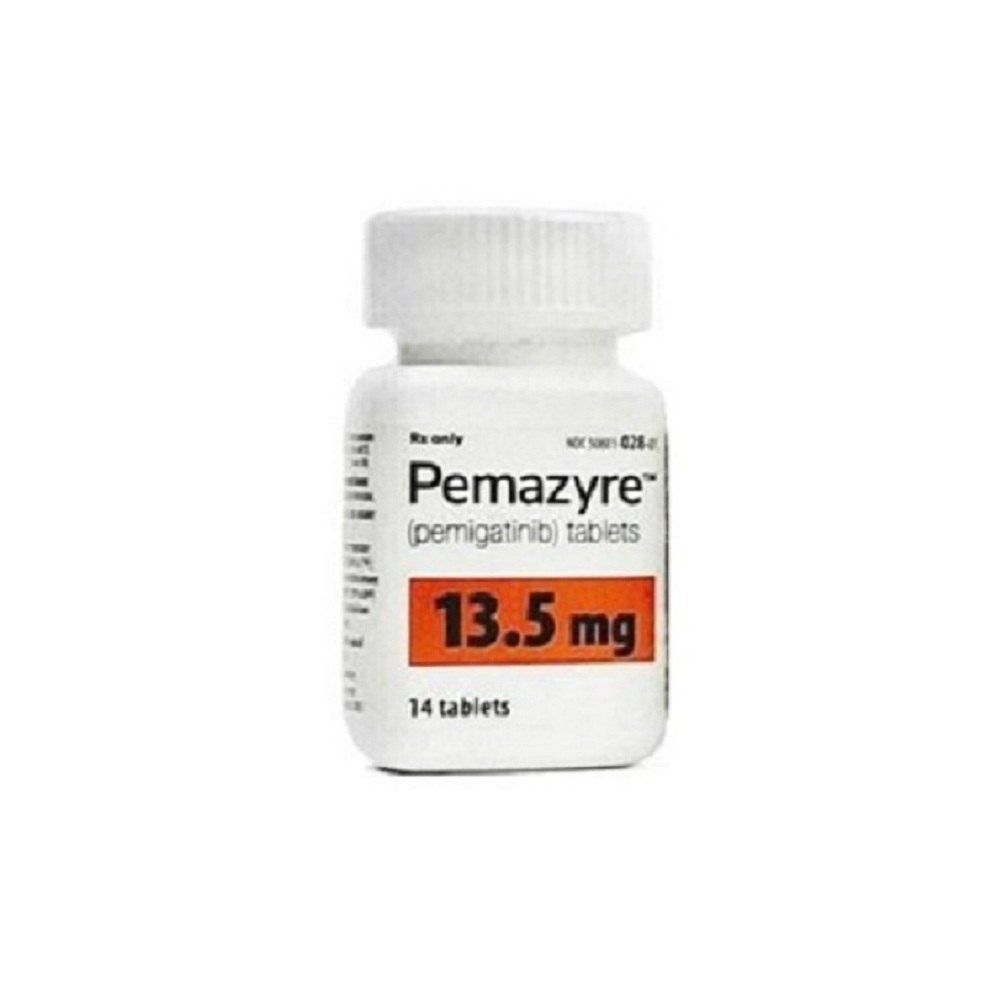
Pemetinib/Pemetinib Recommended dosage and how to use it?
For patients with cholangiocarcinoma, confirm the presence of FGFR2 fusions or rearrangements before starting treatment with pemetinib/pemetinib Pemetinib/PemetinibThe recommended dose is 13.5 mg, orally once daily for 14 days, then off treatment for 7 days in a 21 day cycle. Continue treatment until disease progression or unacceptable toxicity.
For patients with myeloid/lymphoid tumors with FGFR1 rearrangements, the recommended dose is 13.5 mg orally once daily, with continuation of treatment until disease progression or unacceptable toxicity.
Pemetinib/Pemetinib What are the adverse reactions?
Cholangiocarcinoma:The most common adverse reactions (incidence≥ 20%) are hyperphosphatemia, alopecia, diarrhea, nail toxicity, fatigue, dysgeusia, nausea, constipation, stomatitis, dry eyes, dry mouth, decreased appetite, vomiting, joint pain, abdominal pain, hypophosphatemia, back pain, and dry skin.
Myeloid withFGFR1rearrangement/Lymphoid tumors:The most common (≥ 20%) Adverse reactions are hyperphosphatemia, nail toxicity, alopecia, stomatitis, diarrhea, dry eyes, fatigue, rash, abdominal pain, anemia, constipation, dry mouth, epistaxis, serous retinal detachment, limb pain, decreased appetite, dry skin, dyspepsia, back pain, nausea, blurred vision, peripheral edema and dizziness.
Pemetinib/Pemetinib What are the precautions?
Ocular toxicity: Pemetinib can cause retinal pigment epithelial detachment. Obtain an eye exam, including optical coherence tomography (OCT), before starting treatment, every 2 months for 6 months before treatment, every 3 months thereafter, and urgently for visual symptoms at any time.
Hyperphosphatemia and soft tissue mineralization:Can cause hyperphosphatemia, leading to soft tissue mineralization, skin calcification, calcinosis, and non-uremic calcium allergy. Monitor for hyperphosphatemia and withhold, reduce dose, or permanently discontinue therapy based on duration and severity of hyperphosphatemia.
Embryo-Fetal Toxicity:Can cause fetal harm. Inform patients of reproductive potential of potential risks to the fetus and use effective contraception. There are generic drugs in Laos, and they are all officially marketed generic drugs with government approval. The retail price of Lucius Pharmaceuticals in Laos is around 1000 yuan for 4.5mg*14 tablets. If you want to get more high-quality information, you can contact Yaode, and Yaode will do its best to help you learn more about high-quality overseas drugs.
xa0
[ 免责声明 ] 本页面内容来自公开渠道(如FDA官网、Drugs官网、原研药厂官网等),仅供持有医疗专业资质的人员用于医学药学研究参考,不构成任何治疗建议或药品推荐。所涉药品可能未在中国大陆获批上市,不适用于中国境内销售和使用。如需治疗,请咨询正规医疗机构。本站不提供药品销售或代购服务。


