
.jpeg)
Learn about the drug description, usage guidelines and medical insurance reimbursement of larotinib in one article
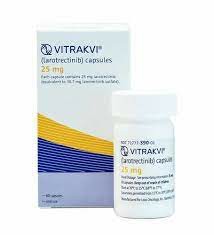
Larotrectinib is an innovative, targeted anti-cancer drug mainly used to treat cancer patients with TRK (neuroprimitive ectodermal tumor) gene fusion. The following is the detailed drug description and usage guide for larotrectinib:
1. Drug Description:
1.1 Drug ingredients: The main ingredient of larotrectinib is a TRK inhibitor, which can specifically inhibit the activity of abnormal TRK protein in cancer patients with TRK gene fusion.
1.2 Indications:
Children's Soft Tissue Sarcoma: For the treatment of soft tissue sarcoma in children with TRK gene fusions.
AdultsTRKgene fusion-positive solid tumors: Suitable for the treatment of adults with TRKgene fusion-positive solid tumors.
1.3 Drug properties: Larotinib is an oral drug and is treated by oral administration.
1.4 Individualized treatment: Before using larotrectinib, patients should undergo genetic testing to determine whether there is TRK gene fusion. This concept of individualized treatment helps ensure that patients receive the most effective treatment.
2. Usage Guide:
2.1 Dosage and usage:
Adult dosage: Generally, adult patients take it orally twice daily. The dosage is based on the doctor's recommendation and the patient's specific condition.
Children's dosage: Children's dosage is usually adjusted based on body weight and doctor's advice.
2.2 Administration time: Larotrectinib is usually administered after meals to improve its absorption effect.
2.3 Treatment cycle: The length of the treatment cycle will vary depending on the patient's condition, drug response and other factors, and individualized treatment planning needs to be carried out under the guidance of a doctor.
2.4 Drug interactions: During the use of larotrectinib, patients should inform their doctors of other drugs they are taking to avoid possible drug interactions.
2.5 Gene testing: Patients need to undergo genetic testing before starting larotrectinib to confirm the presence of TRK gene fusion. This can help determine whether a patient is suitable for treatment with larotrectinib.
3. Adverse reactions:
The use of larotrectinib may cause some adverse reactions, common ones include:
Fatigue: Patients may feel tired and weak.
Headache: The occurrence of headache symptoms.
Nausea and Vomiting: Patients may experience uncomfortable feelings of nausea and vomiting.
Elevated liver enzymes: Abnormal liver function may occur in some patients.
Patients need to be closely monitored for adverse reactions and reported to doctors in a timely manner.
4. Effectiveness evaluation:
4.1 Clinical evaluation: Patients should receive regular clinical evaluation during treatment, including evaluation of tumor size, survival period, quality of life, etc.
4.2 Imaging examinations: Imaging examinations such as CT scans, MRI, etc. can be used to evaluate tumor shrinkage or stability.
4.3 Survival monitoring: The overall survival and progression-free survival of patients should be monitored regularly to evaluate the effect of treatment.
5. Price and medical insurance:
Larotrectinib has been launched in China and has not yet been included in medical insurance. Since it has not been launched in China for a long time, it may be difficult to purchase it in hospitals. For specific conditions, it is recommended to consult the local hospital pharmacy. In foreign markets, larotinib has two options: original drug and generic drug. Original drugs include the German version, the American version, the European version and the Hong Kong version, and the price is about 10,000 to 20,000 yuan. In comparison, generic drugs are much cheaper. There are Lao and Bangladeshi versions of generic drugs, and the price is around two to three thousand. It is worth noting that the ingredients of original drugs and generic drugs are basically the same.
Larotinib, as a new anti-cancer drug for personalized treatment, provides an effective treatment option for patients with related cancers by targetingTRK gene fusion. Before use, patients should read the drug instructions carefully, take the medication according to the doctor's recommendations, and report adverse reactions in a timely manner to ensure the best therapeutic effect. This personalized treatment strategy represents the forefront of anti-cancer treatment, providing patients with more precise and effective treatment options.
[ 免责声明 ] 本页面内容来自公开渠道(如FDA官网、Drugs官网、原研药厂官网等),仅供持有医疗专业资质的人员用于医学药学研究参考,不构成任何治疗建议或药品推荐。所涉药品可能未在中国大陆获批上市,不适用于中国境内销售和使用。如需治疗,请咨询正规医疗机构。本站不提供药品销售或代购服务。


