
.jpeg)
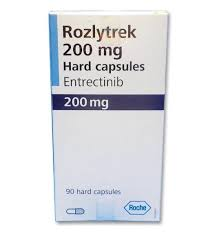
Entrectinib detailed instructions
1. Indications and Usage
Entrectinib is a kinase inhibitor. Entrectinib is suitable for the treatment of adults with metastatic ROS1 positive non-small cell lung cancer. Entrectinib is also indicated in adults and children 12 and older for the treatment of NTRK gene fusion-positive solid tumors that have metastasized or where surgical resection may result in significant morbidity and have progressed on prior therapy or where no comparable alternative therapies are available.
2. Dosage and usage
Patients are selected for treatment based on the following conditionsROS1rearrangement or NTRK gene fusion.
Assess left ventricular ejection fraction before initiating treatment in patients with symptoms of congestive heart failure or known risk factors. Assess serum uric acid levels, QT interval, and electrolytes before administration of entrectinib.
Choose the right dosage form:Oral capsules, oral suspensions or oral pellet capsules.
Enteral administration using capsules formulated as suspensions. Do not use the granules for enteral administration.
Take once daily Entrectinib capsules, suspension capsules or pellets, may be taken with or without food.
Adult dosageROS1-positive non-small cell lung cancer: 600 mgorally, once daily.
Adult and Pediatric DosageNTRKGene Fusion Positive Solid Tumors:
Adults: Orally once daily600 mg.
2. Dosage form and strength
Capsules: 100mg and 200mg
Particles:Each pack50mg
Three. Contraindications
None
Four. Warnings and Precautions
1.Congestive heart failure:Assess left ventricular ejection fraction (LVEF) before initiating entrectinib in patients with symptoms of congestive heart failure or known risk factors. Monitor patients for clinical signs and symptoms of congestive heart failure. In patients with myocarditis with or without reduced ejection fraction, MRI or cardiac biopsy may be needed for diagnosis. For new or worsening congestive heart failure, discontinue entrectinib, reassess LVEF, and implement appropriate medical therapy. Reduce dose or permanently discontinue entrectinib based on severity of congestive heart failure or LVEF deterioration.
2.Central nervous system effects: Entrectinib may cause central nervous system adverse reactions, including cognitive impairment, mood disorders, dizziness and sleep disorders. Withhold medication and then resume at the same or reduced dose when condition improves, or permanently discontinue entrectinib based on severity.
3.Bone fracture: Entrectinib will increase the risk of fracture, evaluate patients with signs or symptoms of fracture promptly.
4.Hepatotoxicity:Monitor liver tests, including ALT and AST, every 2 weeks during the first month of treatment, and then monthly as clinically indicated. Withhold or permanently discontinue entrectinib based on severity. If discontinued, resume entrectinib at the same or reduced dose based on severity.
5.Hypouric acid:Assess serum uric acid levels before initiating entrectinib and periodically during treatment. Monitor patients for signs and symptoms of hyperuricemia. Initiate treatment with urate-lowering medications as clinically indicated and discontinue entrectinib for signs and symptoms of hyperuricemia. After improvement based on severity, resume the same or reduce dose.
6.QTinterval prolongation:MonitorQTc patients with prolongation of the QTc interval or who are at risk of QTc interval prolongation. Assess at baseline and periodically during treatmentQTInterval and electrolytes. Withhold and then resume the same or reduced dose, or permanently discontinue entrectinib based on severity.
7.Visual Impairment:Suppress new visual changes or changes that interfere with activities of daily living until they improve or stabilize. Obtain ophthalmic evaluation as appropriate. Resume at the same or reduced dose after condition improves or stabilizes.
8.Embryo-Fetal Toxicity:Can cause fetal harm. Inform women of the potential risks to the fetus and the use of effective contraception.
Five. Adverse reactions
The most common adverse reactions (≥ 20%) are fatigue, constipation, dysgeusia, edema, dizziness, diarrhea, nausea, hypoesthesia, dyspnea, myalgia, cognitive impairment, weight gain, cough, vomiting, pyrexia, joint pain, and visual impairment.
6. Drug interactions
Moderate and StrongCYP3AInhibitors:
For adults and pediatric patients 2 years of age and older, the dose of entrectinib should be reduced if concomitant use of a moderate or severe CYP3A inhibitor cannot be avoided.
In pediatric patients less than2 years of age, avoid coadministration withentrectinib.
Moderate and StrongCYP3AInducers:Avoid coadministration withentrectinib.
Drugs that prolong the QTc interval:Avoid concurrent use with entrectinib.
7. Use among specific groups of people
Breastfeeding:Breastfeeding is not recommended.
There are generic drugs in Laos, officially marketed versions, with government approval, retail price of pharmaceuticals in Laos and ASEAN200mg90tablets200 00yuan, 100mg30 tablets6500yuan. Patients can choose drug versions based on their financial situation. If you want to get more high-quality information, you can contact YaoDe. YaoDe will do its best to learn more about high-quality overseas drugs for you.
xa0
xa0
[ 免责声明 ] 本页面内容来自公开渠道(如FDA官网、Drugs官网、原研药厂官网等),仅供持有医疗专业资质的人员用于医学药学研究参考,不构成任何治疗建议或药品推荐。所涉药品可能未在中国大陆获批上市,不适用于中国境内销售和使用。如需治疗,请咨询正规医疗机构。本站不提供药品销售或代购服务。


