
.jpeg)
Ixazomib combined with daratumumab and low-dose dexamethasone has limited efficacy in patients with moderate multiple myeloma
Ixazomib combineddaratumumab (daratumumab) and low-dose dexamethasone (ixa-dara-dex) had limited efficacy in the first-line treatment of patients with moderate multiple myeloma (MM) in a single-arm phase 2 study. The findings, published in the journal Clinical Medicine, speculate that this may be the result of ixazomib-induced toxicity that negatively affects the long-term tolerability of the regimen.
The multicenterHOVON-143 trial treated 65 patients with nine induction cycles of low-dose dexamethasone, followed by dexamethasone maintenance for up to 2 years. According toIMWG-FI criteria, all patients were in moderate health. The primary endpoint was overall response rate (ORR) during induction. Secondary endpoints include progression-free survival (PFS), overall survival (OS), safety and tolerability. The median follow-up time was 41.0 months.
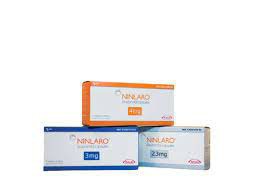
At baseline, the median patient age was 76 years, with 57% of patients aged 76 to 80 years. Most patients had a WHO performance status of 0 or 1. Twenty-nine percent of patients had a Charlson comorbidity index of 2% or higher, and all patients had an activities of daily living index of 5% or higher. Maintenance therapy was administered in 54% of patients, and 34% showed improved response during maintenance therapy. Among patients who did not receive maintenance therapy, 13% were due to toxicity. The ORR with induction therapy was 71%, with 2% of patients achieving a complete response and 35% achieving a very good partial response. The median duration of response was 20.8 months. The ORR in both the induction and maintenance phases was 72%, and the complete response rate was 12%.
The median PFS was 18.2 months, and the median PFS after second-line treatment was not reached. Median event-free survival was 5.1 months. Median OS has also not been reached; 83% of patients survive 3 years. There were significant clinical improvements in health-related quality of life at the start of the ninth induction cycle, with more patients reporting improvements than at all time points during the study. Nine percent of patients discontinued treatment due to toxicity, and early mortality was 1.5%. Thirty-seven percent of patients required dose adjustment of ixazomib during induction and 53% during maintenance therapy.
The most common Grade 3-4 adverse events (AEs) occurring during induction therapy affect the gastrointestinal tract or central nervous system (CNS). However, most hematological and non-hematological AEs were mild during the induction and maintenance phases.
So studyIt shows that even with a three-drug treatment regimen, the efficacy of moderately newly diagnosed multiple myeloma (MM) patients is limited. Treatment with low-dose dexamethasone was found to be safe and improved overall quality of life. However, ixazomib has limited feasibility, which is reflected in frequent dose adjustments and discontinuations.
[ 免责声明 ] 本页面内容来自公开渠道(如FDA官网、Drugs官网、原研药厂官网等),仅供持有医疗专业资质的人员用于医学药学研究参考,不构成任何治疗建议或药品推荐。所涉药品可能未在中国大陆获批上市,不适用于中国境内销售和使用。如需治疗,请咨询正规医疗机构。本站不提供药品销售或代购服务。


