
.jpeg)
Newly Diagnosed Ph+ Chronic Myeloid Leukemia Benefits from MMR with Asciminib vs. SOC TKIs
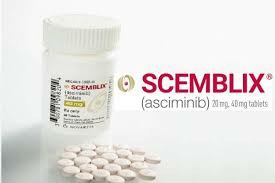
Newly diagnosed Philadelphia chromosome (Ph)-positive chronic myelogenous leukemia (CML) chronic phase patient receiving Asciminib
ASC4FIRST is the first randomized, head-to-head, multicenter trial of CML therapy with approved first- and second-generation SOC TKIs, with data to be presented at an upcoming medical meeting and submitted to regulatory agencies in 2024. These results are very encouraging given that a significant proportion of patients with newly diagnosed chronic myelogenous leukemia do not meet treatment goals. There is still a strong need for tolerable treatment regimens in the first-line treatment of chronic myelogenous leukemia that allow patients with chronic myelogenous leukemia to achieve a balance between treatment and quality of life.
More than 60% of newly diagnosed chronic myelogenous leukemia patients treated with SOC TKIs did not achieve molecular response goals at 1 year. In addition, treatment intolerance and adverse reactions (AEs) remain the main reasons for TKI discontinuation, and the discontinuation rate related to AEs can reach 25% within 5 years. In ASC4FIRST, aceminib was associated with fewer AEs and treatment discontinuations compared with SOC TKIs. Researchers observed no new safety signals compared with the established safety profile of aceminib. ASC4FIRST recruited Ph-positive chronic myeloid patients who were at least 18 years old and in the chronic phase within 3 months of diagnosis.
If the patient has previously received a drug other than anagrelide and Chronic grain therapy with/or anticancer drugs other than hydroxyurea was excluded from the trial. Patients were allowed to receive imatinib, dasatinib, nilotinib, or bosutinib for up to 2 weeks. No other TKI treatments were allowed before randomization. Other exclusion criteria include known cytopathologically confirmed central nervous system infiltration; impaired cardiac function or cardiac repolarization abnormalities; serious and/or uncontrolled medical conditions that the investigator believes pose unacceptable safety risks or jeopardize protocol compliance; significant congenital conditions not related to cancer. or a history of acquired bleeding disorders; major surgery within 4 weeks before trial enrollment; a history of another active malignancy within 3 years before trial enrollment; a history of acute pancreatitis or chronic pancreatitis within 1 year before randomization; and a history of chronic liver disease resulting in severe liver damage or persistent acute liver disease.
In the ASC4FIRST study, 405 patients were randomly assigned in a 1:1 ratio to receive 80 mg of daily aceminibor a first- or second-generation TKI selected by the investigator. The treatments chosen by the investigators included imatinib 400 mg daily with food, nilotinib 300 mg twice daily on an empty stomach, dasatinib 100 mg daily with or without food, or bosutinib 400 mg daily with food. Given the chronic nature of their condition, patients often need to be treated with TKIs for many years, so well-tolerated and highly effective treatment regimens are crucial to support treatment adherence.
OngoingThe next scheduled data readout from the ASC4FIRST trial is scheduled for Week 96 and will assess the trial's key secondary endpoint of MMR at Week 96. 1 Additional secondary endpoints evaluated in this study include discontinuation of treatment due to AEs at Week 96; MR4, MR4.5, complete hematologic response, and BCR::ABL1 levels of 1% or less at all scheduled data collection time points; duration and time to first MMR, MR4, and MR4.5; time to treatment failure; event-free survival; failure-free survival; progression-free survival; and overall survival.
[ 免责声明 ] 本页面内容来自公开渠道(如FDA官网、Drugs官网、原研药厂官网等),仅供持有医疗专业资质的人员用于医学药学研究参考,不构成任何治疗建议或药品推荐。所涉药品可能未在中国大陆获批上市,不适用于中国境内销售和使用。如需治疗,请咨询正规医疗机构。本站不提供药品销售或代购服务。


